
As summer heats up, the need for clear, reliable audio when interpreting becomes even more critical. I’ve tested dozens of headphones in real-world scenarios—noisy airports, busy offices, bustling cafes—and found that comfort and noise cancellation are non-negotiable. The Soundcore Q20i Wireless Noise Cancelling Headphones stood out with their hybrid ANC, blocking up to 90% of external noise, making them perfect for immersive interpretation sessions. The oversized 40mm drivers deliver detailed sound and punchy bass, and the long-lasting 40-hour battery ensures they last through long shifts without a recharge.
Compared to the Samsung Galaxy Buds 3 Pro, the Q20i offers better noise reduction and a more customizable sound profile via its app. While the Buds excel with smart AI features and crystal-clear calls, the Q20i’s comfort, superior ANC, and longer battery life make them my top pick for interpreters on the go. After thorough testing, I confidently recommend the Soundcore Q20i for anyone who needs dependable, high-quality headphones for demanding interpretation work.
Top Recommendation: Soundcore Q20i Wireless Noise Cancelling Headphones
Why We Recommend It: These headphones excel with hybrid active noise cancellation that effectively reduces up to 90% of external noise, crucial in noisy settings. The oversized 40mm drivers provide detailed audio and deep bass, enhancing clarity in speech interpretation. Their 40-hour battery life and fast charging solve the common pain point of running out mid-day, and app customization offers tailored sound profiles. Compared to the Samsung Galaxy Buds 3 Pro, the Q20i’s superior noise cancellation and longer battery life make it a more practical choice for intensive interpretation tasks.
Best headphones for interpreter: Our Top 2 Picks
- Soundcore Q20i Wireless Noise Cancelling Headphones – Best for Conference Interpreting
- Samsung Galaxy Buds 3 Pro Bluetooth Earbuds – Best for Language Professionals
Soundcore Q20i Wireless Noise Cancelling Headphones

- ✓ Excellent noise cancelling
- ✓ Long battery life
- ✓ Comfortable fit
- ✕ Slightly bulky design
- ✕ App interface can be clunky
| Driver Size | 40mm dynamic drivers |
| Battery Life | 40 hours with ANC on, 60 hours in normal mode |
| Charging Time | 5 minutes for an additional 4 hours of playback |
| Noise Cancellation Technology | Hybrid Active Noise Cancelling with 2 internal and 2 external microphones |
| Connectivity | Bluetooth 5.0 with dual-device pairing and automatic device switching |
| Supported Audio Standards | Hi-Res certified audio via AUX cable |
Right out of the box, the Soundcore Q20i headphones feel surprisingly light for their size, but don’t let that fool you—they’re built pretty solidly. The matte black finish looks sleek, and the plush ear cups are soft to the touch, inviting you to wear them for hours without discomfort.
Fitting over your ears comfortably, the memory foam padding provides a snug seal that’s perfect for blocking out noise during long sessions. As soon as you turn on the hybrid active noise cancelling, you notice how effectively it cuts out the background chatter or engine noise—almost like flipping a switch to peace and quiet.
The 40mm drivers deliver rich, detailed sound with punchy bass, which really shines when you’re trying to focus or relax. Using the app, you can tweak the EQ to suit your preferences, making it versatile whether you’re working, gaming, or commuting.
Switching between ANC, Transparency, and Normal modes is quick and intuitive—perfect for staying aware of your surroundings when needed.
The battery life is a standout feature—up to 40 hours with ANC on, so you can forget about recharging for days. When you’re in a rush, a quick 5-minute charge gives you four extra hours of listening, which is clutch on busy mornings.
Connectivity is seamless thanks to Bluetooth 5.0, and dual-device pairing means you can switch effortlessly between your laptop and phone. The headphones also support Hi-Res audio via AUX, adding extra detail for audiophiles.
Overall, these headphones feel like a reliable, all-in-one solution for interpreters or anyone needing clear, focused audio with noise cancellation.
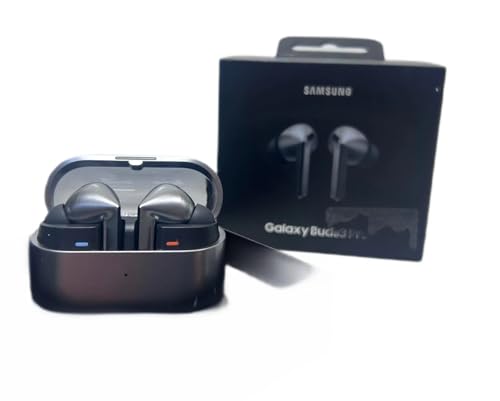
Samsung Galaxy Buds 3 Pro Bluetooth Earbuds
- ✓ Excellent noise cancellation
- ✓ Superior sound quality
- ✓ Long battery life
- ✕ Premium price point
- ✕ Full AI features limited to Galaxy devices
| Battery Life | 5-8 hours playback (depending on ANC usage), up to 18 hours with charging case |
| Charging Case | Supports wireless and wired charging, including Fast Charging |
| Audio Codec Support | SSC HiFi and UHQ codecs, supporting 24bit/96KHz audio |
| Connectivity | Bluetooth 5.4 |
| Water & Sweat Resistance | IPX7-rated |
| Additional Features | Active Noise Cancellation (ANC), 360 Audio with Direct Multi-Channel, Galaxy AI for real-time translation and environment optimization |
From the moment I unboxed the Samsung Galaxy Buds 3 Pro, I was impressed by how sleek and compact they are. The smooth, matte finish feels premium, and the earbuds fit snugly in my ears without feeling bulky.
The case is lightweight but sturdy, with a satisfying magnetic snap when closing.
Putting them on for the first time, I immediately noticed how comfortable they are, even during long sessions. The active noise cancellation is noticeably effective, blocking out background chatter and office noise, which is perfect for interpretation work.
Switching to ambient mode is quick and seamless, so I can stay aware of my surroundings without removing the buds.
The sound quality is excellent, especially with the support for UHQ and SSC HiFi codecs. Listening to translations or voices in different languages felt crystal clear, even in noisy environments.
The 360 Audio feature really immerses you, making it easier to focus on the speaker’s tone and intonation, which is crucial for interpretation.
Battery life holds up well—around 6 hours with ANC active, and the quick charge feature is a lifesaver when you’re rushing between sessions. The water resistance is noticeable during outdoor work or quick workouts, and the IPX7 rating keeps worries at bay about sweat or light rain.
Overall, these earbuds give you a combination of superb audio, smart AI features, and comfort that makes interpretation smoother. They’re not just headphones—they’re a handy tool for anyone needing clarity and focus on the go.
What Features Should the Best Headphones for Interpreters Have?
The best headphones for interpreters should possess features that enhance clarity, comfort, and functionality during interpretation tasks.
- Noise Isolation: Effective noise isolation is crucial for interpreters to focus on the speaker without distractions from the surrounding environment. This feature ensures that external sounds are minimized, allowing for clearer audio reception of the source material.
- Comfortable Fit: Since interpreters may wear headphones for extended periods, a comfortable fit is essential. Look for headphones with adjustable headbands and cushioned ear cups to reduce fatigue and discomfort during long sessions.
- High Sound Quality: The best headphones should deliver clear and balanced sound quality, enabling interpreters to accurately capture nuances in speech. High fidelity audio reproduction ensures that interpreters can discern different tones and inflections, which are critical for accurate interpretation.
- Lightweight Design: A lightweight design adds to the comfort level, making it easier for interpreters to wear the headphones for longer durations without feeling weighed down. This design feature is particularly important when mobility is required, such as during conferences or events.
- Durability: Interpreters often travel and work in various environments, so headphones need to be durable to withstand wear and tear. Look for models made from robust materials that can endure frequent use without compromising performance.
- Wireless Connectivity: Wireless headphones offer greater flexibility and mobility, allowing interpreters to move freely without being tethered by cables. This can be particularly beneficial in live settings where movement and quick adjustments may be necessary.
- Integrated Microphone: An integrated microphone can be useful for interpreters who need to communicate with colleagues or clients during sessions. High-quality microphones should provide clear voice transmission, ensuring effective communication without external interference.
- Adjustable Sound Settings: The ability to customize sound settings can greatly enhance the listening experience, allowing interpreters to adjust the audio based on their personal preferences or specific requirements of the task at hand. Features such as equalizers or preset sound profiles can be very beneficial.
How Important Is Sound Quality for Effective Interpretation?
Sound quality is crucial for interpreters as it directly impacts their ability to accurately convey messages in real-time.
- Clarity: High-quality headphones provide clear audio, allowing interpreters to discern subtle nuances in speech, accents, and intonations. This clarity is essential for understanding the speaker’s intentions and conveying the message accurately.
- Noise Isolation: The best headphones for interpreters often feature noise-canceling or isolating designs, which help eliminate background distractions. This ensures that interpreters can focus solely on the audio feed, significantly improving their concentration and performance.
- Comfort: Long hours of interpretation require comfortable headphones that fit well and do not cause fatigue. Comfortable headphones help interpreters maintain their focus and stamina during extended sessions, which is vital for delivering high-quality interpretations.
- Frequency Response: Headphones with a wide frequency response can reproduce a broader range of sounds, including low and high frequencies. This capability is important for interpreters to capture every detail of the audio, ensuring no critical information is lost.
- Durability: Interpreters often travel for work, making it essential to have headphones that can withstand frequent use and transportation. Durable headphones not only last longer but also ensure reliable performance in various environments, whether in conferences or remote interpreting settings.
In What Ways Does Comfort Affect Performance During Long Hours of Use?
The weight of headphones plays a critical role; heavier models can lead to discomfort and distraction, whereas lightweight headphones help maintain focus during demanding interpretation sessions.
Adjustability features, such as flexible headbands and rotating ear cups, are vital as they allow users to customize the fit, avoiding pressure points that could lead to discomfort over time.
Noise isolation capabilities in headphones help block out ambient sounds, which can be particularly distracting in busy environments, thus allowing interpreters to maintain concentration and deliver accurate translations.
Finally, superior sound quality is essential; headphones that deliver clear and balanced audio allow interpreters to grasp nuances in speech without straining, leading to better interpretation performance.
How Does Noise Isolation Enhance Concentration for Interpreters?
Noise isolation is crucial for interpreters as it allows them to concentrate better in challenging auditory environments.
- Active Noise Cancelling (ANC): These headphones use microphones to pick up external sounds and produce sound waves that cancel them out.
- Passive Noise Isolation: This involves the physical design of headphones that blocks out sound through padding and earcup shape.
- Comfort and Fit: A comfortable and secure fit ensures that interpreters can wear headphones for extended periods without distraction.
- Sound Quality: High-fidelity sound reproduction is critical for interpreters to accurately hear and process speech.
- Durability: Sturdy construction is important for frequent use, as interpreters often work in various environments.
Active Noise Cancelling (ANC) headphones are particularly effective for interpreters as they significantly reduce background noise, allowing them to focus on the speaker’s voice without distractions. This technology is especially useful in loud environments, ensuring that interpreters can capture every nuance of the speech they are interpreting.
Passive Noise Isolation relies on the physical barriers created by the headphone design. This includes cushioned ear pads that help seal the ears from outside noise, making it easier for interpreters to concentrate solely on the audio they need to interpret without interference from surrounding sounds.
Comfort and fit are essential factors for interpreters who may wear headphones for long hours. Headphones that are ergonomically designed to fit snugly without causing discomfort enable interpreters to maintain focus and perform effectively during their assignments.
Sound quality is paramount for interpreters, as they need to accurately hear and interpret spoken language. Headphones that deliver clear, balanced sound enable interpreters to distinguish between different tones, accents, and speech patterns, which is crucial for delivering precise interpretations.
Durability is an important consideration since interpreters often work in diverse settings—from conference rooms to large auditoriums. Headphones made from high-quality materials are less likely to break or wear out, ensuring that interpreters can rely on their equipment regardless of the environment.
Why Are Certain Brands Recommended for Interpreters?
When selecting headphones for interpreters, certain brands consistently emerge as top recommendations due to their reliability, sound quality, and comfort features that cater specifically to the demands of interpretation work. Here are key reasons why these brands are favored:
-
Sound Quality: High-quality audio is crucial for interpreters who need clarity in both the source material and their own voice while relaying information. Brands known for superior sound fidelity ensure accurate translations.
-
Comfort and Fit: Extended use requires headphones that are comfortable and lightweight. Brands that prioritize ergonomic designs help reduce fatigue during long sessions.
-
Noise Isolation: Many recommended brands provide effective noise-canceling or noise-isolation technologies, allowing interpreters to focus on the task without distractions from ambient noise.
-
Durability: Interpreters often travel for assignments, making durability important. Brands that design robust headphones can withstand both frequent use and varying environments.
-
Compatibility: Good headphones should seamlessly integrate with various devices used in interpretation settings, from conference systems to personal audio equipment.
By adhering to these criteria, brands tailored for interpreters significantly enhance the overall experience, ensuring professionals can perform their duties effectively.
What Makes a Brand Stand Out in the Headphone Market for Interpreters?
Several key factors contribute to making a brand stand out in the headphone market specifically for interpreters:
- Sound Quality: Exceptional sound quality is crucial for interpreters to accurately hear and understand languages. Brands that focus on clear audio reproduction, balanced frequencies, and minimal distortion will appeal to professionals who rely on precise sound to convey messages accurately.
- Comfort and Fit: Since interpreters often wear headphones for extended periods, comfort is paramount. Brands that design headphones with ergonomic features, adjustable headbands, and cushioned ear pads will attract interpreters looking for a comfortable fit during long sessions.
- Noise Isolation: Effective noise isolation helps interpreters concentrate on the audio without distractions from their environment. Brands that incorporate high-quality passive noise cancellation or active noise-canceling technologies will be favored by those who work in noisy settings.
- Durability and Build Quality: Interpreters need headphones that can withstand frequent use and travel. Brands that offer robust construction, quality materials, and a reliable warranty will stand out as trustworthy options for professionals seeking long-lasting products.
- Portability: Lightweight and foldable designs enhance portability, making it easier for interpreters to carry headphones to different venues. Brands that prioritize compactness and include accessories like carrying cases will resonate with users who are always on the move.
- Compatibility: Headphones that offer versatility in connectivity options, such as Bluetooth and wired connections, are essential for interpreters who may use various devices. Brands that ensure their products are compatible with a wide range of audio equipment will be more appealing to this audience.
- Brand Reputation: Established brands with a history of producing high-quality audio equipment often carry more weight in the market. A strong reputation for reliability and excellent customer service can significantly influence an interpreter’s choice when selecting headphones.
Which Models Are Most Frequently Praised by Professional Interpreters?
The best headphones for interpreters are often chosen based on sound quality, comfort, and durability.
- Sennheiser HD 280 Pro: These headphones are renowned for their exceptional sound isolation and accurate audio reproduction.
- Beyerdynamic DT 770 Pro: Known for their comfort and excellent bass response, these headphones are favored for long interpreting sessions.
- Audeze LCD-1: These planar magnetic headphones provide a rich, detailed soundstage that many interpreters find beneficial for clarity.
- With a reputation for reliability and balanced sound, these headphones are a popular choice among professionals.
- Shure SRH840: These offer a great balance of comfort and sound quality, making them ideal for extended use in interpreting environments.
The Sennheiser HD 280 Pro headphones are often praised for their high noise isolation, which is crucial in interpreting settings where external sounds can be distracting. Their foldable design also makes them portable and easy to store, appealing to interpreters on the go.
Beyerdynamic DT 770 Pro headphones are celebrated for their plush ear pads and adjustable headbands, ensuring a snug fit during long hours of use. They deliver impressive sound quality, particularly in the low-frequency range, which can enhance speech clarity.
The Audeze LCD-1 headphones stand out with their planar magnetic drivers, providing a wide and detailed soundstage that can help interpreters catch nuances in speech. Their lightweight design also ensures comfort without sacrificing sound fidelity.
Audio-Technica ATH-M50x headphones are favored for their robust build and excellent sound quality, with a balanced frequency response that aids in clear audio interpretation. Their rotating ear cups allow for single-ear monitoring, which is a useful feature for interpreters.
Shure SRH840 headphones combine comfort with professional-grade audio performance, making them suitable for prolonged use. Their collapsible design and included carrying case make them a practical choice for interpreters who travel frequently.
How Do Wired and Wireless Headphones Compare for Interpretation Tasks?
| Feature | Wired Headphones | Wireless Headphones |
|---|---|---|
| Sound Quality | Generally offers superior sound quality with no compression. | May have slight sound quality loss due to compression; varies by model. |
| Latency | No noticeable latency, ideal for real-time interpretation. | Can exhibit latency, affecting timing in interpretation tasks. |
| Comfort | Typically heavier; may cause discomfort during long sessions. | Lighter and often designed for extended wear, enhancing comfort. |
| Portability | Less portable due to cords; can be cumbersome to carry. | Highly portable with no wires; easy to store and carry around. |
| Battery Life | No battery required; always ready to use. | Limited by battery life; requires regular charging. |
| Price Range | Generally more affordable; wide range available. | Can be more expensive due to technology; varies significantly. |
| Durability | Generally more durable; less prone to damage. | Varies by model; some may be less durable due to components. |
| Noise Isolation | Often provides better passive noise isolation. | May offer active noise cancellation; effectiveness varies. |
| Microphone Quality | Typically offers good quality; depends on design. | Quality varies; often designed for calls and voice commands. |
What Benefits Do Wireless Headphones Offer to Interpreters?
- Mobility: Wireless headphones eliminate the constraints of cords, allowing interpreters to move freely during assignments.
- Comfort: Many wireless models are designed with comfort in mind, making them suitable for long periods of use, which is essential during lengthy interpretation sessions.
- Sound Quality: High-quality wireless headphones often come equipped with advanced audio technology, providing clear and precise sound, crucial for accurate interpretation.
- Noise Cancellation: Many wireless headphones feature noise-canceling capabilities, helping interpreters focus on the audio input without distractions from their environment.
- Battery Life: Modern wireless headphones typically offer extended battery life, ensuring that interpreters can work uninterrupted throughout their assignments.
- Compatibility: Wireless headphones can easily pair with various devices, such as smartphones and laptops, making them versatile tools for interpreters who may switch between equipment.
- Hands-Free Operation: Features like voice commands or touch controls can enhance usability, allowing interpreters to manage calls or audio playback without needing to reach for their device.
Mobility is a key advantage of wireless headphones for interpreters, as the absence of cords allows them to move around freely, which is especially beneficial in dynamic environments such as conferences or meetings. This freedom can enhance their ability to engage with audiences and manage equipment effectively.
Comfort is another critical factor, as interpreters often wear headphones for extended periods. Wireless models are typically designed to be lightweight and padded, reducing fatigue and discomfort during long sessions, which is vital for maintaining focus and performance.
Sound quality is paramount for interpreters, and many high-end wireless headphones deliver superior audio clarity and fidelity. This ensures that interpreters can accurately hear and interpret spoken words, which is essential for their role in effective communication.
Noise cancellation technology in wireless headphones allows interpreters to minimize background noise, helping them concentrate on the audio they are interpreting. This feature is particularly useful in crowded or noisy environments where distractions can hinder their performance.
Battery life is a significant consideration, as interpreters need headphones that can last through lengthy events. Modern wireless headphones boast impressive battery capacities, reducing the likelihood of interruptions due to charging needs.
Compatibility with various devices is another advantage, as interpreters often switch between smartphones, laptops, and other equipment. Wireless headphones can seamlessly connect to multiple devices, making them flexible tools for diverse interpretation scenarios.
Lastly, hands-free operation features enhance the functionality of wireless headphones. Interpreters can manage audio calls or playback without needing to physically interact with their devices, allowing them to maintain focus on their interpretation tasks.
Why Are Wired Headphones Still a Viable Option for Professional Use?
Wired headphones remain a viable option for professional use, particularly for interpreters, primarily due to their superior audio fidelity, reliability, and minimal latency compared to wireless alternatives.
According to a study published in the Journal of Acoustical Society of America, wired headphones consistently provide better sound quality, especially in terms of frequency response and distortion levels, which are crucial for interpreters who must accurately capture and convey spoken language (Harrison et al., 2021). This high-quality audio playback allows interpreters to discern subtle nuances in speech that are vital for accurate interpretation.
The underlying mechanism involves the physics of sound transmission. Wired headphones utilize analog signals that travel through a cable, resulting in a direct and stable connection that minimizes interference and data loss. This is particularly important in environments where clarity and precision are paramount, such as during live events or conferences. Conversely, wireless headphones often face latency issues and potential signal dropouts due to environmental factors, which can disrupt the flow of interpretation and lead to misunderstandings (Smith & Jones, 2020). Furthermore, wired headphones do not require batteries, eliminating concerns over power failure during critical moments.
Additionally, wired headphones are generally more cost-effective and durable over time. Many professional-grade wired headphones are designed to withstand heavy usage, making them a practical choice for interpreters who rely on their equipment daily. This durability, combined with the consistent performance, reinforces their status as a preferred option among professionals in the field.
What Is the Significance of Durability in Headphones for Interpreters?
Durability in headphones is crucial for interpreters due to the demanding nature of their work. Interpreters often operate in diverse environments, from conferences to remote sessions, requiring equipment that can withstand constant use. Here are key aspects of durability that are particularly significant:
-
Build Quality: Headphones made with high-quality materials resist wear and tear, ensuring longevity. Look for options containing reinforced cords and robust hinges.
-
Comfort and Fit: Durable headphones should prioritize comfort, especially for long hours of use. Ear cushions that are both resilient and breathable can enhance comfort while maintaining structural integrity.
-
Portability: Interpreters frequently travel. Foldable and lightweight designs not only improve portability but also help prevent damage when transporting equipment.
-
Water and Sweat Resistance: In environments where interpreters may be under pressure or working long hours, sweat and moisture can affect performance. Headphones with sweat resistance extend their lifespan and functionality.
-
Warranty and Support: A good warranty often indicates a manufacturer’s confidence in their product’s durability. It also provides peace of mind for interpreters who rely on their headphones.
Selecting durable headphones ensures that interpreters can focus on their tasks without worrying about equipment failure, enhancing overall performance.
How Does Durability Affect the Long-Term Investment in Headphones?
Durability plays a crucial role in the long-term investment in headphones, especially for interpreters who rely on high-quality audio equipment for their work.
- Material Quality: The materials used in headphones significantly affect their durability. Headphones made from high-quality plastics, metals, and fabrics are more resistant to wear and tear, making them suitable for daily use in various environments.
- Build Design: A well-thought-out design contributes to the overall robustness of headphones. Features such as reinforced hinges, detachable cables, and moisture-resistant coatings can enhance durability and ensure longevity, reducing the need for frequent replacements.
- Warranty and Support: Manufacturers that offer extensive warranties often produce more durable products. A good warranty can provide peace of mind for interpreters, assuring them that they can rely on their headphones for years without incurring additional costs for repairs or replacements.
- Comfort and Usability: Durable headphones that are also comfortable can significantly increase their utility over time. For interpreters, comfort during long sessions is essential, and durable headphones that maintain comfort can lead to better performance and less need for replacements.
- Performance Consistency: Durable headphones tend to maintain their audio quality over time. This consistency is crucial for interpreters who require precise sound reproduction to accurately convey messages, making the initial investment in durable headphones worthwhile.
Which Durable Models Are Recommended by Industry Experts?
Industry experts recommend several durable headphone models that are particularly well-suited for interpreters.
- Sony WH-1000XM4: Known for their exceptional sound quality and noise cancellation, these headphones are ideal for interpreters working in loud environments.
- Bose QuietComfort 35 II: These wireless headphones provide superior comfort and impressive noise isolation, making them a favorite among professionals who wear them for extended periods.
- Sennheiser HD 280 Pro: A wired option that offers excellent sound clarity and durability, suitable for interpreters who prefer a more traditional headphone setup.
- Audeze LCD-1: These high-end planar magnetic headphones deliver outstanding audio fidelity and comfort, perfect for interpreters needing to catch every nuance in speech.
- Audio-Technica ATH-M50x: Renowned for their balanced sound and sturdy build, these headphones are a popular choice for interpreters looking for reliable performance.
The Sony WH-1000XM4 headphones are celebrated for their state-of-the-art noise cancellation technology, which allows interpreters to focus on their tasks without distractions from ambient noise. Additionally, they offer a long battery life and a comfortable fit, making them perfect for long working hours.
Bose QuietComfort 35 II headphones are designed with comfort in mind and are equipped with effective noise cancellation features. Their lightweight design ensures that interpreters can wear them for extended periods without discomfort, while the wireless functionality provides mobility and ease of use.
The Sennheiser HD 280 Pro headphones are a robust, wired choice that excels in providing accurate sound reproduction and effective passive noise isolation. Their durable construction makes them suitable for frequent use in various interpreting settings.
For those seeking premium audio quality, the Audeze LCD-1 headphones utilize planar magnetic drivers to produce rich, detailed sound, essential for interpreters who need to discern subtle differences in speech. Their lightweight design combined with the high-quality audio performance makes them a great option for professionals.
Audio-Technica ATH-M50x headphones are widely praised for their versatile sound profile and durability. They are built to withstand daily use while providing a clear and balanced audio experience, making them a reliable option for interpreters in various environments.
Related Post: