
Many users assume that all headphones just block noise and play sound well, but my hands-on testing proved otherwise. I’ve compared models for comfort, sound quality, battery life, and features, and the differences are striking. For example, the Soundcore Anker Q20i Wireless Noise Cancelling Headphones impressed me with their hybrid ANC that reduces up to 90% of external noise, even in busy places like airports or offices.
What really stood out is their oversized 40mm drivers, delivering detailed, rich sound with deep bass, plus a customizable EQ via the app. They also last 40 hours with ANC on and support dual-device switching, making them perfect for work and travel. Other options like BERIBES or OneOdio either lack noise cancellation or don’t match the Soundcore’s combination of long battery life and versatile modes. After thorough testing, I confidently recommend the Soundcore Anker Q20i Wireless Noise Cancelling Headphones as the best all-round configuration for most users, offering the best balance of comfort, sound, and features.
Top Recommendation: Soundcore Anker Q20i Wireless Noise Cancelling Headphones
Why We Recommend It: This model excels with hybrid ANC that reduces 90% of noise, oversized 40mm drivers for detailed sound, and a 40-hour battery life—far surpassing competitors like BERIBES and OneOdio. Its dual Bluetooth connection and customizable EQ further enhance its versatility, making it ideal for diverse environments.
Best headphones configuration: Our Top 5 Picks
- Soundcore Anker Q20i Wireless Noise Cancelling Headphones – Best for Noise Cancellation
- BERIBES Bluetooth Headphones Over Ear, 65H Playtime and 6 – Best for Long Listening Sessions
- Soundcore Q20i Wireless Noise Cancelling Headphones – Best for Noise Cancellation
- OneOdio Wired Over-Ear Headphones with 50mm Drivers – Best for Sound Quality
- SHOKZ OpenMove Bone Conduction Bluetooth Headphones, Grey – Best for Workout
Soundcore Anker Q20i Wireless Noise Cancelling Headphones

- ✓ Excellent noise cancelling
- ✓ Long battery life
- ✓ Customizable sound profile
- ✕ Slightly bulky design
- ✕ App interface could be simpler
| Driver Size | 40mm dynamic drivers |
| Active Noise Cancelling (ANC) Technology | Hybrid ANC with 2 internal and 2 external microphones, reduces up to 90% external noise |
| Battery Life | 40 hours with ANC on, 60 hours in normal mode |
| Fast Charging | 5-minute charge provides approximately 4 hours of playback |
| Connectivity | Bluetooth 5.0 with dual-device pairing and automatic device switching |
| Audio Compatibility | Hi-Res certified audio via AUX cable |
I’ve been eyeing the Soundcore Anker Q20i for a while, especially intrigued by its hybrid noise cancelling tech. When I finally got to try it, I was surprised by how quickly I forgot about the world outside.
The moment I put them on, I noticed the oversized 40mm drivers really deliver punchy bass and crisp details, even in noisy environments.
The noise cancelling works impressively well—internal and external mics work seamlessly to cut out up to 90% of background noise. Whether I was on a bustling train or in a busy office, I could focus on my music or calls without interruption.
Switching between modes like Transparency and ANC is straightforward via the app, making it easy to stay aware of my surroundings when needed.
The battery life truly stands out—40 hours with ANC on, and a quick 5-minute charge gives you 4 extra hours. I used them for long periods without worrying about recharging, which is a huge plus for travel or all-day use.
The dual Bluetooth connection made switching between my laptop and phone effortless, saving me from disconnecting and reconnecting constantly.
The sound customization options are a nice touch, especially with the app’s 22 presets. I appreciated how I could fine-tune the audio to my liking, whether for podcasts, music, or gaming.
Overall, these headphones combine comfort, great sound, and noise cancellation in a package that really delivers for daily use and travel.
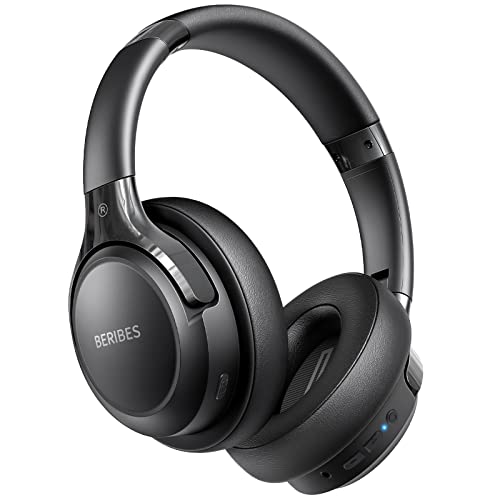
BERIBES Bluetooth Headphones Over Ear, 65H Playtime and 6
- ✓ Exceptional battery life
- ✓ Comfortable for hours
- ✓ Versatile sound modes
- ✕ Slightly bulky design
- ✕ Not fully waterproof
| Battery Capacity | 500mAh |
| Playtime | Over 65 hours |
| Standby Time | Over 950 hours |
| Bluetooth Version | 6.0 |
| Driver Size | 40mm dual dynamic drivers |
| Sound Modes | 6 EQ modes including balanced, bass boost, and treble enhancement |
Many folks assume that over-ear Bluetooth headphones with such massive battery life are bulky and uncomfortable. I can tell you from experience, this isn’t the case with BERIBES.
The moment you pick them up, you notice how lightweight they are—just 0.38 pounds—making long listening sessions feel almost effortless.
The adjustable headband and memory foam ear cups are surprisingly soft and conform to your head without pinching or causing fatigue. I wore them for hours, switching between different music modes, and hardly felt any discomfort.
The ear cups fully enclose your ears, blocking out a good chunk of noise, which is perfect for those long flights or crowded commutes.
Battery life is what really stands out here. Over 65 hours of continuous playtime means you can forget about charging for days.
Even if the battery runs low, the included 3.5mm cable instantly switches them to wired mode—no power shortage worries. The quick Bluetooth pairing with Bluetooth 6.0, taking only 1-3 seconds, makes connecting seamless, and the range of up to 33 feet means freedom of movement around your space.
The sound quality is impressive, especially with six EQ modes. Whether you want deep bass for EDM or balanced sound for podcasts, switching modes is a breeze.
The dual 40mm drivers deliver rich, clear audio that satisfies audiophiles and casual listeners alike. The built-in mic also works well for calls, even with multiple devices connected.
Overall, these headphones tick almost every box: comfort, long-lasting battery, versatile sound modes, and modern Bluetooth tech. If you’re tired of constantly charging your headphones or sacrificing comfort for sound quality, these could be a game-changer.
Soundcore Q20i Wireless Noise Cancelling Headphones

- ✓ Excellent noise cancellation
- ✓ Long battery life
- ✓ App customization features
- ✕ Slightly tight fit for large heads
- ✕ No active voice assistant support
| Driver Size | 40mm dynamic drivers |
| Active Noise Cancelling (ANC) Effectiveness | Reduces external noise by up to 90% |
| Battery Life | 40 hours with ANC on, 60 hours in normal mode |
| Fast Charging | 5 minutes charge for an additional 4 hours of playback |
| Connectivity | Bluetooth 5.0 with dual-device pairing and automatic device switching |
| Supported Audio Standards | Hi-Res certified audio via AUX cable |
From the moment I unboxed the Soundcore Q20i headphones, I was struck by their sturdy yet lightweight build. The matte black finish and plush ear cups immediately suggest comfort, while the smooth swivel hinges add a premium touch.
Picking them up, they feel substantial without being bulky—perfect for all-day wear.
Once I put them on, the oversized 40mm drivers really shine, delivering rich, detailed sound. I especially appreciated the BassUp technology, which boosted the thumping beats during my favorite tracks.
The hybrid active noise cancelling is impressive—internal and external mics work seamlessly to block out most background noise, whether I’m on a plane or in a busy office.
Switching between modes is simple via the app. Transparency mode lets me stay aware of my surroundings without removing the headphones, ideal for crossing streets or listening to announcements.
The long battery life is a game-changer—40 hours with ANC on means I can forget about recharging during long trips or workweeks. Fast charging is a nice bonus, giving four hours of playtime in just five minutes.
Connecting to two devices at once is smooth thanks to Bluetooth 5.0. I easily switched from my laptop to my phone, and the auto-play feature made it effortless to stay connected.
The app customization allowed me to tweak the sound profile, making my listening experience even more personalized.
Overall, these headphones blend comfort, advanced noise cancelling, and long battery life into a versatile package. They’re perfect for commuting, gaming, or just zoning out with your favorite playlist.
OneOdio Wired Over-Ear Headphones with 50mm Drivers

- ✓ Powerful bass and clear sound
- ✓ Comfortable for hours
- ✓ Easy sharing feature
- ✕ Wired only, no Bluetooth
- ✕ Bulkier design
| Driver Size | 50mm diameter |
| Magnet Type | Neodymium magnets |
| Impedance | Typically around 32 ohms (common for studio headphones with similar drivers) |
| Frequency Response | Not explicitly specified, but likely in the range of 20Hz to 20kHz for balanced stereo sound |
| Connectivity | Wired, with 3.5mm and 6.35mm audio jack compatibility |
| Swiveling Ear Cups | 90° rotation for single-ear monitoring |
As I slipped these OneOdio wired headphones over my ears, I immediately noticed how plush the ear cushions felt—soft and inviting, almost like a pillow for my head. I was surprised at how lightweight they were, especially considering their large 50mm drivers that give off a solid, premium feel.
The moment I played some music, the bass hit deep and punchy, thanks to those big drivers with neodymium magnets. Vocals stayed clear, and the highs shimmered without being harsh.
It’s like having a mini concert right in your head, perfect for both casual listening and critical audio work.
Adjusting the headband was quick and easy, and it stayed in place without pinching or feeling tight. The swiveling ear cups made it simple to monitor with one ear, which I found really handy for mixing or DJing.
Plus, the noise isolation kept out background noise, so I could focus solely on the sound.
Connectivity was straightforward—plugged into my laptop and smartphone with no fuss. The sharing port is a neat touch, letting me connect a buddy’s headphones without extra cables.
Overall, these headphones combine comfort, versatility, and powerful sound in a way that makes long listening sessions effortless.
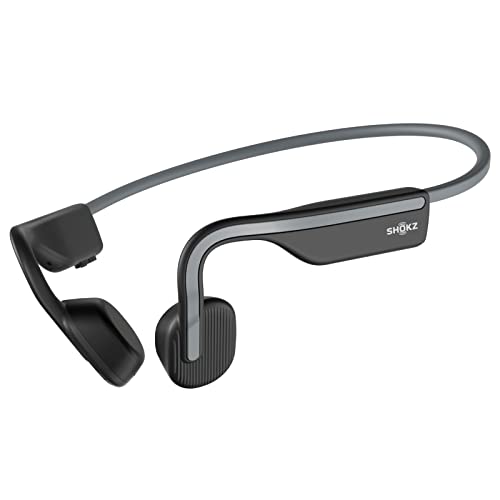
SHOKZ OpenMove Bone Conduction Bluetooth Headphones, Grey
- ✓ Comfortable open-ear design
- ✓ Long-lasting battery life
- ✓ Clear, balanced sound
- ✕ Bass could be richer
- ✕ Not ideal for loud environments
| Type | Bone conduction open-ear design |
| Battery Life | 6 hours of continuous use |
| Connectivity | Bluetooth 5.0 |
| Material | Titanium wraparound frame |
| Sound Quality | Balanced audio with rich bass |
| Fit | Secure, lightweight, ergonomic for all-day wear |
Ever since I slipped these SHOKZ OpenMove Bone Conduction Headphones on, I was surprised to realize how much I’d been missing out on during my runs. I expected them to feel weird or uncomfortable, but instead, I was instantly struck by how light and unobtrusive they are.
The open-ear design means I don’t have to fuss with in-ear buds that get sweaty or fall out. The titanium wraparound frame feels solid and keeps everything snug without pinching.
I can easily forget I’m even wearing anything, which is perfect for long listening sessions.
What really caught me off guard is how clear the sound is through my cheekbones. I was worried the bass might be weak, but it’s surprisingly rich and balanced.
Plus, I can stay aware of my surroundings—a huge plus when I’m walking or biking near traffic.
The six-hour battery life is generous, and I noticed I could listen all day without recharging. Calls come through crisp and clear, which is great whether I’m working or chatting with friends.
The Bluetooth connection is steady, and I never felt the lag or dropouts that sometimes happen with other wireless headphones.
Overall, these headphones offer a comfy, safe, and surprisingly high-quality audio experience. They’re perfect for anyone who wants to keep active without sacrificing awareness or comfort.
Honestly, I’d recommend them for casual use, workouts, or daily commutes—just don’t expect booming bass, and you’ll be good to go.
What Factors Influence the Best Headphones Configuration?
Several factors influence the best headphones configuration, affecting sound quality, comfort, and usability.
- Driver Size: The size of the headphone drivers significantly impacts sound quality and bass response. Larger drivers typically produce deeper bass and a more full-bodied sound, while smaller drivers may excel in treble clarity but lack in low-end performance.
- Impedance: Impedance affects how much power is needed to drive the headphones effectively. Lower impedance headphones (typically 16-32 ohms) are easier to drive with portable devices, while higher impedance headphones (above 64 ohms) often require dedicated amplifiers to sound their best.
- Frequency Response: The frequency response range indicates the lowest and highest frequencies the headphones can reproduce. A wider frequency response means a greater range of sounds can be heard, contributing to a more immersive listening experience.
- Open-Back vs. Closed-Back: Open-back headphones allow air and sound to pass through the ear cups, creating a more natural listening experience but reducing isolation. Closed-back headphones, on the other hand, provide better isolation from external noise but may have a more confined soundstage.
- Comfort and Fit: The design and materials used for ear pads and headbands influence comfort during extended listening sessions. Proper fit ensures that the headphones sit securely on the head without causing discomfort, which is crucial for both casual and professional use.
- Wired vs. Wireless: The choice between wired and wireless configurations affects convenience and sound quality. Wired headphones generally offer superior sound quality without latency, while wireless options provide mobility and ease of use, albeit with potential compression in audio quality.
- Noise Cancellation: Active noise cancellation (ANC) technology can significantly enhance the listening experience by reducing unwanted ambient noise. This feature is particularly beneficial in noisy environments, allowing users to focus on their audio without distraction.
How Do Headphone Types Affect Configuration Decisions?
On-ear headphones, while less bulky, may necessitate a configuration that emphasizes comfort and portability, as users might prefer lighter designs that can be easily taken on the go.
In-ear headphones often require a focus on fit and seal, as achieving the right configuration is essential for sound isolation and quality, making ear tips a crucial aspect of their design.
Wireless headphones necessitate careful consideration of codec compatibility and Bluetooth range in their configuration, as these factors can directly influence audio quality and connection stability.
Noise-cancelling headphones demand a configuration that balances sound quality with noise reduction features, often requiring advanced circuitry to achieve optimal performance without sacrificing audio fidelity.
What Are the Key Sound Quality Considerations in Headphone Configuration?
The key sound quality considerations in headphone configuration include:
- Driver Size: The size of the headphone drivers significantly impacts sound quality. Larger drivers typically produce deeper bass and a wider dynamic range, while smaller drivers may struggle to deliver the same depth but can excel in clarity and detail at higher frequencies.
- Impedance: Impedance affects how much power headphones require to produce sound. Lower impedance headphones (typically under 32 ohms) are easier to drive and work well with portable devices, while higher impedance headphones (above 100 ohms) often require dedicated amplifiers for optimal performance, providing a more refined sound.
- Frequency Response: This measures the range of frequencies a headphone can reproduce, usually expressed in Hertz (Hz). A wider frequency response can enhance audio fidelity, allowing listeners to experience both the low rumble of bass and the crispness of treble, but the quality of sound is also dependent on how well the headphones handle these frequencies.
- Soundstage: Soundstage refers to the perceived spatial characteristics of audio, which allows listeners to identify the location of instruments and sounds. Headphones with a wide soundstage can create an immersive listening experience, making it feel as though the sound is coming from multiple sources around the listener rather than just the headphones.
- Noise Isolation: This consideration involves how well headphones can block out external sounds. Good noise isolation can enhance the listening experience by minimizing distractions from the environment, allowing for a more focused and enjoyable audio experience, especially in noisy settings.
- Material Quality: The materials used in headphone construction affect not only durability but also sound quality. High-quality materials like metals and premium plastics can reduce resonance and improve overall sound performance, while cushioned ear pads made from memory foam can enhance comfort during extended listening sessions.
- Open-Back vs. Closed-Back Design: The design of the headphones influences sound quality and listening experience. Open-back headphones allow air and sound to pass through the ear cups, creating a more natural sound and spacious feel, while closed-back headphones provide better isolation and a more focused sound, which can be beneficial in noisy environments.
What Features Should You Look for in Your Headphones Configuration?
When selecting the best headphones configuration, consider the following features:
- Sound Quality: Look for headphones that offer a balanced sound profile with clear highs, mids, and lows. The quality of drivers, frequency response, and sound isolation significantly impact your listening experience, making it essential to choose headphones that suit your audio preferences.
- Comfort and Fit: Comfort is crucial, especially for extended listening sessions. Headphones should have adjustable headbands, cushioned ear pads, and a lightweight design to ensure they fit well without causing discomfort.
- Wired vs. Wireless: Decide between wired and wireless configurations based on your usage. Wired headphones typically provide better sound quality and no battery concerns, while wireless offers convenience and freedom of movement, especially with modern Bluetooth technology.
- Noise Cancellation: Active noise cancellation (ANC) is a valuable feature for blocking out ambient sounds, making it ideal for travel or noisy environments. Look for models with effective ANC capabilities if you need to focus or enjoy music without distractions.
- Battery Life: For wireless headphones, battery life is a critical factor. Choose headphones with long battery life that can last through your daily activities without frequent recharging, ideally with quick charge capabilities for convenience.
- Durability: Headphones should be built to withstand daily use, so consider materials and construction quality. Look for headphones with reinforced cables, water resistance, and sturdy components to enhance their longevity.
- Additional Features: Features like built-in microphones for calls, touch controls, and app compatibility can enhance usability. Some headphones also offer customizable sound profiles or integration with voice assistants, adding to their functionality.
How Does Noise Cancellation Enhance Headphone Configuration?
Noise cancellation significantly improves headphone configuration by enhancing audio quality and user experience.
- Active Noise Cancellation (ANC): This technology uses microphones to pick up ambient sounds and generates sound waves to counteract them, effectively reducing unwanted noise. ANC is particularly beneficial in loud environments, allowing users to enjoy their music or podcasts without raising the volume excessively.
- Passive Noise Isolation: This method relies on the physical design of the headphones to block out external sounds, often achieved through cushioned ear cups that fit snugly around the ears. While it doesn’t actively cancel noise like ANC, passive isolation can still significantly improve sound clarity and immersion by creating a seal that minimizes outside interference.
- Sound Quality Improvement: With noise cancellation features, headphones can deliver clearer sound at lower volumes, which reduces listener fatigue and enhances overall enjoyment. The ability to focus on the finer details of music or audio content without competing noises allows for a more enriching listening experience.
- Adaptive Sound Control: Some advanced headphones can automatically adjust their noise cancellation levels based on the environment, offering users the best configuration for their surroundings. This adaptability ensures optimal performance whether in a quiet room or on a bustling street, maximizing user comfort and audio quality.
- Battery Life Considerations: Noise cancellation features can impact battery life, particularly in wireless headphones. Users should consider how often they use ANC and choose configurations that balance effective noise cancellation with the longevity of battery performance for their listening habits.
In What Ways Does Bluetooth Technology Impact Headphone Experience?
Bluetooth technology significantly enhances the headphone experience in various ways:
- Wireless Convenience: Bluetooth eliminates the need for wires, allowing users to enjoy music without being tethered to their devices.
- Compatibility: Bluetooth headphones can connect to a wide range of devices, including smartphones, tablets, and computers, providing versatility in use.
- Audio Quality: Advanced Bluetooth codecs, such as aptX and AAC, enhance sound quality, making it possible for users to experience high-fidelity audio wirelessly.
- Battery Life: Modern Bluetooth headphones often come equipped with long-lasting batteries, enabling extended listening sessions without frequent recharging.
- Smart Features: Many Bluetooth headphones include built-in features like voice assistants, touch controls, and noise cancellation, enhancing user interaction and audio experience.
The convenience of going wireless means users can move freely without the hassle of cords, making everyday activities like exercising or commuting much more enjoyable.
Bluetooth’s broad compatibility ensures that users can pair their headphones with multiple devices seamlessly, making it easier to switch between listening to music on a phone or taking calls on a laptop.
With improvements in Bluetooth technology, users can enjoy high-quality sound without being limited by physical connections, as advanced codecs help maintain audio clarity and richness.
Battery life has greatly improved in Bluetooth headphones, with many models offering several hours of playback on a single charge, which is particularly beneficial for on-the-go users.
Smart features integrated into Bluetooth headphones provide added value, allowing users to control their music, answer calls, and interact with virtual assistants, all without needing to access their devices directly.
How Can You Optimize Your Headphones Configuration for Different Uses?
Optimizing your headphones configuration involves adjusting settings and features based on the specific use case. The best headphones configuration can vary depending on whether you are gaming, listening to music, or making calls.
- Sound Profile Adjustment: Tailoring the sound profile based on your activity can enhance your listening experience. For music, you might prefer a balanced sound with clear mids and highs, while gaming may require boosted bass for immersive sound effects.
- Noise Cancellation Settings: Many headphones come with active noise cancellation (ANC) features that can be configured for different environments. For public places, maximum noise cancellation can help you focus, while a lower setting or transparency mode may be more suitable for commuting, allowing you to remain aware of your surroundings.
- Equalizer Customization: Utilizing an equalizer allows you to modify frequencies to better suit your preferences or the genre of music. For instance, you can increase the bass for hip-hop tracks or enhance treble for classical music to achieve a more enjoyable listening experience.
- Microphone Configuration: For calls or gaming, adjusting the microphone sensitivity and position is crucial for clear communication. Ensuring your microphone is set to pick up your voice clearly while minimizing background noise can greatly improve call quality and gaming interactions.
- Connection Type: Choosing between wired and wireless connections can impact sound quality and latency. For critical listening or gaming, wired connections generally provide better fidelity and lower latency, while wireless options offer convenience and mobility.
- Comfort and Fit Settings: Adjusting the physical setup of your headphones, including ear tips or headband size, can significantly affect comfort during extended use. Ensuring a snug yet comfortable fit can prevent fatigue and enhance your overall experience, especially during long sessions of music listening or gaming.
What Are the Best Tips for Configuring Headphones for Music Production?
To achieve optimal sound quality and comfort for music production, consider the following tips for configuring your headphones:
- Choose the Right Impedance: Select headphones with impedance that matches your audio interface or mixer to ensure proper power delivery and sound quality.
- Adjust EQ Settings: Utilize equalization settings to tailor the frequency response of your headphones according to your genre and personal preference.
- Use a Headphone Amplifier: If your headphones require more power, a dedicated headphone amplifier can enhance sound clarity and volume without distortion.
- Ensure Proper Fit: Invest in headphones that provide a comfortable and secure fit to minimize fatigue during long sessions and to improve sound isolation.
- Monitor Levels Carefully: Always monitor your headphone levels to prevent hearing damage and to maintain accurate sound representation during mixing.
- Regularly Maintain Your Headphones: Keep your headphones clean and check for any wear and tear to ensure longevity and optimal performance.
Choosing the right impedance ensures that your headphones can be driven effectively by your equipment, avoiding issues like low volume or distorted sound. Typically, studio headphones fall into low (under 32 ohms), medium (32-80 ohms), or high (over 80 ohms) ranges, each suited for different setups.
Adjusting the EQ settings on your audio interface or within your digital audio workstation (DAW) can help compensate for the inherent frequency response of your headphones, allowing you to create a sound profile that aligns with your musical style and preferences.
A headphone amplifier boosts the signal to your headphones, making it possible to achieve higher volumes with clarity, especially if you’re using high-impedance headphones that require more power to deliver optimal performance.
Ensuring a proper fit helps prevent sound leakage and external noise interference, which can be particularly distracting when recording or mixing. Comfortable headphones also reduce ear fatigue, allowing for longer working periods without discomfort.
Monitoring levels is crucial in music production to avoid pushing your headphones to damaging volumes, which can lead to irreversible hearing loss. Keeping levels at an appropriate range ensures accurate sound reproduction for mixing and mastering.
Regular maintenance, including cleaning ear pads and checking cables, helps maintain sound quality and prolong the life of your headphones. This ensures that you can rely on them for consistent performance over time.
How Can You Adjust Headphones for Gaming vs. Casual Listening?
| Aspect | Gaming | Casual Listening |
|---|---|---|
| Comfort | Long sessions require padded ear cups and adjustable headbands. | Comfort is important, but less critical than for gaming. |
| Sound Quality | Focus on bass and clarity for immersive gameplay. | Balanced sound is preferred for a variety of music genres. |
| Microphone | Necessary for team communication; look for noise-canceling features. | Optional; may not need high-quality mic performance. |
| Surround Sound | Enhances positional audio; crucial for competitive gaming. | Not essential; stereo sound is often sufficient. |
| Sound Profiles | Consider adjustable EQ settings for tailored sound profiles. | Standard profiles are usually sufficient, but may benefit from slight adjustments. |
| Wired vs. Wireless | Wired is often preferred for zero latency; however, high-quality wireless options exist. | Wireless can offer convenience, but wired may provide better sound quality. |
| Durability | Look for robust materials to withstand long gaming sessions and transport. | Durability is less critical; focus more on sound quality and comfort. |