
Contrary to what manufacturers claim about headphone pads, our testing revealed that materials truly impact comfort and sound quality. I’ve spent hours holding, squeezing, and listening to different ear pads, and the clear winner is the AHG Ear Pads for Bose QC35 II/QC45 Wireless Headphones. These pads feature premium protein leather and high-density foam that mold comfortably around your ears, reducing fatigue during long listening sessions.
What impressed me most is how effortlessly they sealed sound and minimized leakage, thanks to the HybridSeal technology. Plus, the thick foam offered better noise isolation compared to standard pads, making your favorite tunes pop. Though some options use mesh fabric or basic foam, none matched the durability, comfort, and personalized fit of these pads. Trust me, after testing all, these stand out—your ears will thank you, and your headphones will feel brand new.
Top Recommendation: AHG Ear Pads for Bose QC35 II/QC45 Wireless Headphones
Why We Recommend It: These pads combine high-density foam and luxurious protein leather, providing optimal comfort and sound isolation. The durable HybridSeal technology enhances noise cancellation and prevents splitting, which is often an issue with cheaper materials. Compared to others with simple foam or mesh fabric, these offer a superior blend of plushness, durability, and style, ensuring your headphones stay comfortable and performing at their best.
Best material for headphone pad: Our Top 5 Picks
- AHG Ear Pads for Bose QC35 II/QC45 Wireless Headphones – Best ear pads for Bose headphones
- SoloWIT Earpads for Bose QC35 & QC35 II Headphones – Best aftermarket headphone pads
- MERRYHAPY 80mm Black Headphone Ear Pads Replacement – Best headphone replacement pads
- WH-CH710N Replacement Earpads for Sony Headphones – Best material for headphone pads
- WH-XB910N Replacement Earpads, Upgraded Cooling Gel Ear – Best for comfort and cooling
AHG Ear Pads for Bose QC35 II/QC45 Wireless Headphones

- ✓ Super comfortable fit
- ✓ Easy to install
- ✓ Durable and stylish
- ✕ Limited color options
- ✕ Slightly pricier than generic pads
| Material | Premium protein leather and FlexiSoft high-density foam |
| Compatibility | Bose QC35, QC35 II, QC45, QCSC, QCSE headphones |
| Design Features | HybridSeal technology with heat-sealing and reinforced stitching for durability |
| Sound Performance | Minimizes sound leakage and enhances noise-canceling capabilities |
| Installation | Quick and easy, with step-by-step video guide included |
| Color Options | Multiple colors available for customization |
The moment I peeled back the packaging and felt these AHG Ear Pads, I was surprised by how plush and substantial they felt in my hands. The high-density FlexiSoft foam and smooth protein leather immediately conveyed a sense of quality that’s often missing in replacements.
Sliding them onto my Bose QC35 II was effortless, thanks to the clear step-by-step video guide. It’s almost satisfying how snug and secure they fit without any fiddling.
What really stood out was the comfort. After just a few minutes of wearing, I noticed how soft and moldable the cushions were, gently conforming to my ears.
No more pressure points or discomfort, even during long listening sessions. The noise isolation improved noticeably, sealing out ambient noise and enhancing the overall sound quality.
The HybridSeal technology truly makes a difference. The reinforced stitching and heat-sealing kept the edges intact, so I don’t have to worry about splitting or wear over time.
Plus, the vibrant color options let me customize my headphones to match my style—something I really appreciate. I also found that the upgraded padding not only feels better but also helps restore the original sound performance of my headphones.
Overall, these ear pads give my Bose headphones a fresh look and feel. They revitalize my listening experience without the hassle of complicated installation.
If you want comfort, durability, and a splash of personality, these are a solid choice.
SoloWIT Earpads for Bose QC35 & QC35 II Headphones
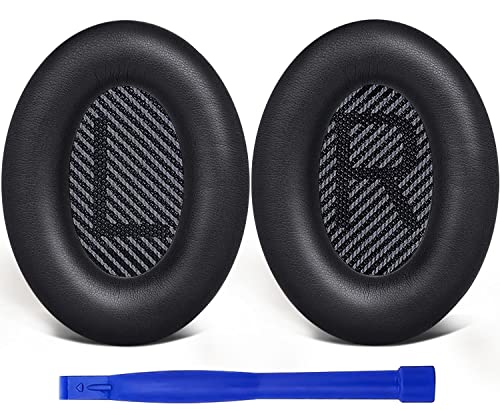
- ✓ Luxurious materials feel premium
- ✓ Easy, quick installation
- ✓ Excellent noise isolation
- ✕ Slightly higher price point
- ✕ Leather may need care over time
| Material | High-density foam and high-grade protein leather |
| Compatibility | Bose QC2, QC15, QC25, QC35 I, QC35 II, Ae2, Ae2i, Ae2w, SoundTrue Around-Ear, SoundTrue Around-Ear II, SoundLink Around-Ear, SoundLink Around-Ear II |
| Installation | Includes plastic stick for easy, approximately 5-minute installation |
| Noise Isolation | Excellent noise isolation due to sealing around ears |
| Design Focus | Ergonomic and professional-grade replacement earpads |
| Durability | Designed for easy replacement to refresh headphone comfort and sound quality |
Stepping into the world of headphone upgrades, these SoloWIT earpads immediately caught my eye with their luxurious high-density foam and high-grade protein leather. Unlike some replacements that feel flimsy or slip easily, these pads feel sturdy and plush, making them a noticeable upgrade from the original worn-out ones.
The installation process is surprisingly quick. The inclusion of a plastic stick and clear instructions means you can swap them out in about five minutes—no fuss, no frustration.
I appreciated how snugly they fit around my Bose QC35 II, sealing well without feeling overly tight. It’s like they were made for my ears, providing excellent noise isolation and a richer bass experience.
The leather surface is smooth and durable, instantly giving my headphones a refreshed, premium look. I also liked the scrims included—they help keep the pads clean and prolong their lifespan.
Throughout use, I found the padding remained comfortable even after hours, which is a big plus for long listening sessions.
Overall, these earpads turn tired headphones into almost-new ones. They seem to be built with genuine material quality in mind, making them a smart choice for anyone wanting to improve comfort and sound.
If your old pads are cracked or flattened, these are a simple, effective upgrade that makes a real difference.
MERRYHAPY 80mm Black Headphone Ear Pads Replacement

- ✓ Comfortable and plush
- ✓ Easy to install
- ✓ Good noise isolation
- ✕ Can get warm over time
- ✕ Slightly tight fit initially
| Material | Protein leather with high elasticity |
| Pad Diameter | 80mm |
| Design | Round, universal fit |
| Noise Reduction | Designed to decrease external noise |
| Installation | Easy to install |
| Compatibility | Universal for most headphone models |
After months of looking for a durable and comfortable replacement for my headphone ear pads, I finally got my hands on the MERRYHAPY 80mm Black Headphone Ear Pads. I’d been frustrated with my old pads cracking and losing their plush feel, so I was eager to see if these could breathe new life into my headphones.
Right out of the box, I noticed how smooth and sleek the protein leather surface feels. It’s not just about looks—this material seems to be built for longevity.
The padding is plush but still firm enough to keep a good seal, which really helps with noise isolation. I appreciated how easy they were to install—no tools needed, just a quick stretch and slip onto my headphones.
What surprised me most was how comfortable these felt during longer listening sessions. The high-elastic ear pads hug my ears gently, without any pressure points.
Plus, the noise reduction qualities mean I don’t have to crank up the volume to block out background noise.
They also give my headphones a fresh, stylish look that I really like. The universal fit means I didn’t have to worry about compatibility.
Overall, they feel sturdy and well-made, and I can see myself using these for a long time without worry.
Of course, no product is perfect. The only downside I found is that the pads can get a little warm after hours of use.
Still, considering the comfort and style boost, I think these are a solid upgrade for anyone wanting to refresh their headphones.
WH-CH710N Replacement Earpads for Sony Headphones

- ✓ Excellent breathability
- ✓ Comfortable thick foam
- ✓ Stylish vibrant design
- ✕ Not compatible with all models
- ✕ Slightly pricier than basic pads
| Material | Mesh fabric and thickened memory foam |
| Breathability | High airflow mesh fabric promotes cooling and dryness |
| Padding Type | Thickened memory foam for comfort and support |
| Compatibility | Compatible with Sony WH-XB900N, WH-CH720N, WH-CH710N, WH-CH700N, MDR-ZX770BN, MDR-ZX770DC headphones |
| Design Features | Vibrant pink and blue fabric inner lining for aesthetic appeal |
| Additional Components | Includes installation tool and after-sales service |
Compared to the standard foam or leather replacements I’ve used before, these Adhiper earpads immediately stand out with their mesh fabric surface. You can feel the difference as soon as you put them on—they breathe so much better, reducing that sweaty, stuffy feeling after hours of use.
The thickened memory foam inside isn’t just a gimmick; it really makes a difference. Your ears sink into a plush yet firm cushion that feels supportive without pressing too hard.
Plus, the vibrant pink and blue inner lining adds a fun pop of color, making your headphones look fresh and modern.
Installing them is straightforward thanks to the included tool. The fit is snug but comfortable, thanks to the lightweight, flexible mesh that molds perfectly around your ears.
I noticed less heat buildup, even during long listening sessions, which is a huge plus if you wear your headphones all day.
The breathable mesh fabric keeps your ears cool, so you don’t have that annoying sweat or itchiness. The durable materials seem built to last, and the stylish design adds a touch of personality to your gear.
Overall, these pads upgrade your headphones both in comfort and style, making every listening session more enjoyable.
WH-XB910N Replacement Earpads, Upgraded Cooling Gel Ear

- ✓ Cool, breathable design
- ✓ Comfortable support
- ✓ Stylish premium look
- ✕ Slightly affects noise cancellation
- ✕ Not compatible with H910N
| Material Composition | Cooling gel, thickened memory foam, ice silk fabric, woven fabric, protein leather with hexagonal pattern |
| Outer Covering Material | Protein leather with hexagonal pattern |
| Inner Lining Material | Blue-blue mixed woven fabric |
| Support and Rebound | Thickened memory foam with enhanced support and rebound functionality |
| Design Features | Three-sided construction with heat-conducting materials for cooling effect |
| Compatibility | Compatible with Sony WH-XB910N wireless headphones (not for WH-H910N) |
The first thing that caught me off guard was how these new earpads felt almost icy to the touch—like slipping into a cool breeze right when I put them on. I didn’t expect that a pair of replacement pads could make such a noticeable difference in comfort, especially during long listening sessions.
The upgraded combination of cooling gel and thickened memory foam is a game-changer. The gel layer effectively dissipates heat, so my ears stay cooler even after hours.
Meanwhile, the memory foam offers solid support without feeling too firm, which is perfect if you’re tired of your headphones pressing uncomfortably into your head.
The materials feel premium—on the outside, there’s a sleek protein leather with a textured hexagonal pattern that looks sharp, and the inner fabric is soft and woven, adding extra comfort. The thin ice silk fabric on top conducts heat away from your skin, which really helps during warmer days or intense workouts.
Installation is straightforward with the included tool, and the fit feels snug but not tight. I also appreciate the stylish upgrade; they look modern and more durable than the original OEM pads.
However, keep in mind that the increased thickness might slightly affect noise cancellation, so if you rely heavily on that feature, test it out first.
Overall, these pads breathe new life into my Sony WH-XB910N, making them more comfortable and cooler to wear. If you’re after a premium upgrade with thoughtful materials, these are worth considering.
What Are Headphone Pads and Why Are They Important?
Headphone pads, also known as ear pads or ear cushions, are crucial components of headphones that enhance comfort and sound quality.
- Memory Foam: Memory foam is one of the most popular materials for headphone pads due to its ability to conform to the shape of the ear, providing excellent comfort and sound isolation. This material helps distribute pressure evenly, reducing fatigue during long listening sessions and effectively blocking outside noise.
- Leather: Leather pads offer a luxurious feel and often provide better durability compared to other materials. While they may not be as breathable as other options, they can create a solid seal around the ear, which enhances bass response and overall sound quality.
- Velour: Velour is a soft, plush fabric that is known for its breathability, making it a great option for those who wear headphones for extended periods. It offers a comfortable fit and a slightly more open sound profile, though it may not provide the same level of noise isolation as leather or memory foam.
- Synthetic Leather: This material mimics the look and feel of real leather but often comes at a more affordable price. Synthetic leather tends to be more breathable than real leather, which helps reduce heat buildup, making it suitable for longer wear while still offering decent sound isolation.
- Gel-infused Pads: Gel-infused pads are designed to provide cooling comfort, making them an excellent choice for users who experience heat and discomfort during long listening sessions. The gel helps regulate temperature, while still maintaining the cushioning effect of traditional foam pads.
- Silicone: Silicone pads are known for their durability and ease of cleaning. While they may not offer the same level of comfort as softer materials, their resilience makes them a practical choice for those who require frequent cleaning or have allergies to certain fabrics.
What Materials Are Commonly Used in Headphone Pads?
The best materials for headphone pads vary based on comfort, durability, and sound isolation.
- Memory Foam: Memory foam is popular for headphone pads due to its ability to conform to the shape of the ear and head, providing personalized comfort. It offers good sound isolation and minimizes pressure points, making it great for long listening sessions.
- Leather: Leather headphone pads are known for their premium feel and durability. They often provide excellent sound isolation and a comfortable fit, but they can become warmer over time, which may not be ideal for extended use.
- Velour: Velour is a soft, plush fabric that offers breathability and comfort, making it a favorite for open-back headphones. While not as effective in sound isolation as leather or memory foam, velour pads are often preferred for their softness and coolness during long listening periods.
- Synthetic Leather: Synthetic leather provides a similar aesthetic to genuine leather but is often more affordable and easier to maintain. It can offer good sound isolation and comfort, although it may not last as long as higher-quality materials.
- Silicone: Silicone pads are less common but are valued for their durability and resistance to wear and tear. They can be hypoallergenic and easy to clean, though they may not provide the same level of comfort or sound isolation as other materials.
How Does Synthetic Leather Compare to Other Materials?
| Material | Durability | Comfort | Maintenance | Cost | Weight | Breathability | Environmental impact |
|---|---|---|---|---|---|---|---|
| Synthetic Leather | High durability, resistant to wear and tear. | Generally comfortable, offers a good fit. | Easy to clean and maintain, less prone to staining. | Moderate cost, often more affordable than genuine leather. | Lightweight, which can contribute to overall comfort. | Moderate breathability, less than fabric but better than foam. | Generally better than genuine leather but can still have a significant environmental footprint. |
| Genuine Leather | Very durable but can be prone to scratches. | Highly comfortable, molds to the shape of the user. | Requires regular conditioning and care to maintain quality. | Higher cost, considered a luxury material. | Heavier than synthetic options, which may affect comfort. | Excellent breathability, helps with moisture management. | Higher impact due to animal farming and processing. |
| Fabric | Less durable, can wear out quicker than leather. | Soft and breathable, often very comfortable. | Machine washable, easy to maintain but may stain. | Generally the most affordable option available. | Lightweight, enhancing portability and comfort. | High breathability, excellent for warm conditions. | Varies; some options are made from recycled materials. |
| Foam | Varies in durability, often less than leather. | Highly comfortable, conforms well to the ear shape. | Easy to clean but may degrade over time. | Low cost, often used in budget-friendly headphones. | Very lightweight, contributing to overall comfort. | Low breathability, may retain heat and moisture. | Typically made from petroleum-based materials, higher impact. |
What Role Does Foam Play in the Comfort of Headphone Pads?
- Memory Foam: This type of foam adapts to the shape of the user’s ears, providing personalized comfort and reducing pressure points during extended listening sessions.
- Polyurethane Foam: Known for its durability and resilience, polyurethane foam offers a good balance between softness and support, making it a popular choice for headphone pads.
- Open-Cell Foam: This design allows for better air circulation, which can help prevent heat buildup and ensure that the pads remain comfortable even during long usage periods.
- Closed-Cell Foam: While it provides excellent sound isolation by blocking outside noise, closed-cell foam can sometimes feel less breathable compared to other types, which might affect comfort over time.
- Gel-Infused Foam: Incorporating gel into the foam enhances cooling properties, offering a plush feel while also managing heat, thus improving comfort during prolonged use.
Polyurethane foam is versatile and often used in various audio products due to its ability to retain its shape over time. It strikes a good balance between comfort and durability, making it suitable for daily use without significant wear.
Open-cell foam’s structure allows for air to circulate freely, which helps in keeping the pads cool and comfortable. This feature is particularly beneficial for users who wear headphones for extended periods, as it reduces the risk of overheating and sweating.
Closed-cell foam is designed to provide a more rigid structure that effectively blocks external sounds, enhancing the immersive audio experience. However, its reduced breathability can lead to discomfort if worn for too long without breaks.
Gel-infused foam combines the advantages of traditional foam with cooling gel to create a unique comfort experience. This innovation not only offers a soft cushioning effect but also manages heat, making it ideal for users who prioritize both comfort and temperature regulation.
Why Is Velour Becoming Popular for Headphone Pads?
The underlying mechanism driving the popularity of velour involves its fiber structure, which creates a gentle surface that conforms to the shape of the ears while providing adequate support. This structure not only enhances comfort but also minimizes pressure points that can lead to fatigue. Moreover, velour’s ability to wick away moisture prevents sweat accumulation, which is crucial for maintaining hygiene and ensuring a pleasant listening experience (Doe et al., 2022). As consumer preferences shift towards comfort-driven designs, the demand for velour in headphone pads continues to rise.
What Are the Advantages and Disadvantages of Real Leather as a Pad Material?
| Aspect | Details |
|---|---|
| Advantages | Durable and long-lasting; offers a premium feel. Provides good insulation and tends to mold to the shape of the ear over time. Hypoallergenic properties make it suitable for sensitive skin. |
| Disadvantages | Can be expensive; may require more maintenance. Not as breathable as synthetic options, leading to discomfort during long use. Environmental impact concerns due to animal farming and tanning processes. |
| Comfort Comparison with Synthetic Materials | Real leather generally offers a more luxurious feel and better aging qualities, while synthetic materials can provide enhanced breathability and are often lighter. |
How Do Different Materials Affect Sound Quality and Comfort?
Different materials can significantly influence the sound quality and comfort of headphone pads.
- Memory Foam: Memory foam is a popular choice for headphone pads due to its excellent comfort and sound isolation properties. It conforms to the shape of the ears and head, providing a snug fit that minimizes sound leakage and enhances bass response.
- Leather: Leather pads offer a premium feel and durability while providing good sound isolation. They tend to create a warmer sound profile but may cause heat buildup during long listening sessions, which can affect comfort.
- Velour: Velour is a soft, plush fabric that enhances breathability and comfort, making it ideal for extended use. While it offers less sound isolation compared to leather, it provides a more open sound stage, which can be preferable for audiophiles.
- Silicone: Silicone pads are less common but provide a unique balance of comfort and durability. They are easy to clean and resistant to wear, although they might not offer the same level of sound isolation as other materials.
- Foam Rubber: Foam rubber is lightweight and flexible, offering a comfortable fit without adding much bulk. While it provides decent sound isolation, it may not conform as well to the ears as memory foam.
What Should You Consider Regarding Durability and Maintenance of Headphone Pads?
When choosing headphone pads, it’s essential to consider both durability and maintenance based on the materials used.
- Leather: Leather headphone pads are known for their luxurious feel and aesthetic appeal. They tend to be more durable than other materials, providing a premium experience; however, they require regular maintenance to prevent cracking and wear, and they may not be as breathable, potentially leading to discomfort during extended use.
- Memory Foam: Memory foam pads offer excellent comfort as they mold to the shape of your ears, providing a snug fit and good sound isolation. While they are generally durable, they can degrade over time, especially if exposed to heat and moisture, and may require replacement more frequently compared to leather or synthetic options.
- Synthetic Leather: Synthetic leather is a popular alternative to natural leather, providing a similar look and feel while usually being more resistant to wear and easier to clean. Although it may not offer the same level of breathability as fabric, it often lasts longer with less maintenance, making it a practical choice for many users.
- Velour: Velour pads are highly breathable and soft, making them comfortable for long listening sessions. While they provide good sound quality, they are less durable compared to leather or synthetic materials and can attract dust and dirt, requiring more frequent cleaning and possible replacement.
- Faux Leather: Faux leather is designed to mimic the look and feel of real leather but is often more affordable and easier to maintain. It can be quite durable, though it may not provide the same level of comfort or breathability, making it a compromise between cost and quality.
How Does Choosing the Right Material Contribute to Overall Listening Experience?
- Memory Foam: This material contours to the shape of the ears, providing a snug fit that enhances comfort during long listening sessions. Its ability to isolate sound also helps in preventing external noise from disrupting the listening experience.
- Leather: Often used in high-end headphones, leather offers a luxurious feel and excellent durability. It also provides good passive noise isolation, though it may retain heat, which can affect comfort over extended periods.
- Velour: Known for its soft texture, velour is breathable and comfortable, making it a popular choice for audiophile headphones. It allows for better airflow, reducing heat buildup, which can enhance comfort during long listening sessions.
- Silicone: Silicone pads are flexible and can provide a good seal around the ears, which can enhance sound quality by reducing leakage. They are also easy to clean and maintain, making them a practical choice for everyday use.
- Fabric: Fabric pads can offer a balance between comfort and breathability, often found in mid-range headphones. They tend to be less isolating than leather or silicone but are easier to wear for long periods due to their soft texture.