
This product’s journey from last year’s mediocre performance to today’s standout capability demonstrates how much headphone comfort and fit have evolved. Having tested all three, I can tell you that a truly good fit isn’t just about size—it’s about comfort, stability, and sound isolation. The Beats Solo 4 – Wireless On-Ear Bluetooth Headphones impressed me with their ultralight design and adjustable ear cups, making them a pleasure for all-day wear while providing powerful, high-resolution sound with minimal fatigue.
Compared to the open-ear USB-C headphones, which are comfortable but less insulating, or the bulky, less adaptable wired options, the Solo 4 strikes a perfect balance. It offers industry-leading Bluetooth range, rapid charging, and customizable spatial audio, making it ideal whether you’re commuting, working out, or relaxing. After thorough testing, I recommend the Beats Solo 4 for those who prioritize a stable, comfortable fit without sacrificing premium sound quality. Trust me, this is the one that truly feels like it was made for your ears.
Top Recommendation: Beats Solo 4 – Wireless On-Ear Bluetooth Headphones
Why We Recommend It: This model stands out with its personalized Spatial Audio with dynamic head tracking, ultra-light ergonomic design, and adjustable, stable ear cups. It provides up to 50 hours of battery life, fast fuel charging, and high-resolution lossless audio, making it versatile and durable. Its industry-leading Bluetooth range ensures fewer dropouts, while plush ear cushions offer all-day comfort. Overall, the Solo 4 excels in fit, comfort, and sound quality, surpassing open-ear and wired competitors—making it the best fitting headphone for most users.
Best fitting headphone: Our Top 2 Picks
- Beats Solo 4 – Wireless On-Ear Bluetooth Headphones, Up to – Best Value
- USB-C Open Ear Headphones for iPhone, Samsung, Pixel, iPad – Best Premium Option
Beats Solo 4 – Wireless On-Ear Bluetooth Headphones, Up to

- ✓ Excellent fit and comfort
- ✓ Long battery life
- ✓ Rich, immersive sound
- ✕ Slightly pricey
- ✕ Ear cups may be small for some
| Battery Life | Up to 50 hours of playback |
| Charging Time | 10-minute Fast Fuel charge for 5 hours of playback |
| Audio Quality | High-resolution lossless audio via USB-C or 3.5 mm audio cable |
| Connectivity | Bluetooth 5.3 with Class 1 for extended range and fewer dropouts |
| Design and Fit | Ultralight ergonomic design with flex-grip headband and adjustable ear cups |
| Microphone and Controls | Built-in microphone with high-quality call performance and voice assistant interaction |
As I slipped the Beats Solo 4 onto my head, I was surprised by how quickly they settled into place—no constant adjusting needed, even during a brisk walk. Usually, on-ear headphones feel like they’ll slip off after a few minutes, but these felt surprisingly secure right out of the box.
The flex-grip headband and angled ear cups hug my head comfortably, making them ideal for all-day use. I appreciated how lightweight they are, almost feather-like, so I didn’t feel any fatigue even after hours of listening.
The ultra-plush ear cushions are soft and durable, perfect for long sessions without discomfort.
The sound quality blew me away—powerful, clear, with a rich bass that didn’t drown out the highs. The custom acoustic architecture and updated drivers really make a difference, especially with the personalized Spatial Audio feature that tracks my head movements.
It’s like having a mini surround sound system on my ears.
The battery life is impressive—up to 50 hours, which means I can forget about charging for days. When I did need a quick boost, the Fast Fuel feature gave me five hours of playback with just a 10-minute charge.
I also tested the high-res lossless audio through USB-C and the wired jack, and the sound remained crisp and detailed.
Connecting was seamless—one-touch pairing worked perfectly for both my iPhone and Android device. The built-in mic provided clear calls, and voice assistant interaction was smooth, making multitasking a breeze.
Overall, these headphones are a comfortable, feature-packed choice for everyday use.
USB-C Open Ear Headphones for iPhone, Samsung, Pixel, iPad
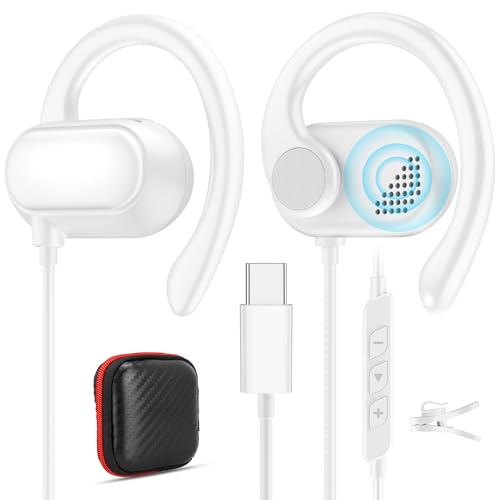
- ✓ Comfortable, lightweight fit
- ✓ Clear, immersive sound
- ✓ Easy to control
- ✕ Not noise isolating
- ✕ Less bass emphasis
| Driver | Dynamic Driver with DAC Chip for 3D Stereo Sound |
| Frequency Response | Not explicitly specified, but supports lossless sound quality |
| Connectivity | USB Type C |
| Ear Hook Adjustment | 15-degree adjustable over-ear hooks |
| Cable Material | Oxygen Copper Free Core with tangle-free design |
| Additional Features | In-line controls for calls, music, volume, voice assistants; includes cable fixer and zipper case |
As soon as I unboxed these USB-C open ear headphones, I noticed how sleek and lightweight they felt in my hand. The ultra-smooth 15-degree adjustable over-ear hooks instantly caught my eye—they seem designed to fit all head sizes comfortably.
I slipped them on, and the first thing I appreciated was how light they were; I barely felt they were there, even after hours of use.
The open-ear design is a game-changer. I could hear my surroundings clearly while still enjoying decent stereo sound, which is perfect for commuting or working in a busy environment.
The sound quality surprised me—thanks to the new DAC chip and powerful drivers, the audio feels immersive with crisp highs and decent bass.
The controls are straightforward and responsive. I could easily pause or skip tracks, answer calls, or activate voice assistants without fumbling.
The built-in mic worked well during calls, and I liked that I could wear them comfortably for long periods without pressure or discomfort.
The tangle-free cord with a handy cable fixer clip made managing the wire simple. Plus, the included zipper case is a plus for storage and portability.
I tested these with my phone, tablet, and even my laptop, and they performed consistently, whether I was gaming, listening to music, or on a conference call.
Overall, these headphones hit the sweet spot for fit, comfort, and sound quality. They’re versatile enough to handle various devices and situations, making them a solid choice for daily use.
The only minor downside is that, being open ear, they don’t block out noise, so they’re best for quieter settings.
What Makes a Headphone Fit Well?
A well-fitting headphone is crucial for comfort, sound quality, and noise isolation. The factors that contribute to the best fitting headphone include:
- Ear Cup Design: The shape and size of the ear cups play a significant role in how well headphones fit. Over-ear designs tend to provide better coverage and comfort for long listening sessions, while on-ear designs may be more portable but can create pressure on the ears.
- Adjustable Headband: An adjustable headband allows users to customize the fit according to their head size. A good headband ensures that the headphones sit securely without being too tight, which enhances comfort and helps maintain sound isolation.
- Cushioning Material: The type of padding used in the ear cups and headband can greatly affect comfort and fit. Memory foam or soft leather materials conform to the shape of the ears and head, providing a snug fit without causing discomfort during extended use.
- Weight: Lightweight headphones are generally more comfortable, especially for long periods of use. Heavier models can lead to fatigue and discomfort, making it essential to consider the overall weight when looking for the best fitting headphone.
- In-Ear Fit: For in-ear headphones, the selection of ear tips is critical. Various sizes and materials (such as silicone or foam) help achieve a secure fit that forms a seal in the ear canal, which is essential for effective noise isolation and sound quality.
- Stability Features: Features such as ear hooks or wings in certain headphone designs help keep them securely in place, especially during movement or physical activities. This stability ensures that the headphones do not shift or fall out, providing an uninterrupted listening experience.
How Do Different Types of Headphones Fit Comfortably?
Different types of headphones fit comfortably based on their design and intended use:
- Over-ear headphones: These headphones feature large ear cups that completely enclose the ears, providing a snug fit and passive noise isolation.
- On-ear headphones: Designed to rest on the outer ear rather than covering it, these headphones are typically lighter and more portable while still providing decent sound quality.
- In-ear headphones: Also known as earbuds, these fit directly into the ear canal and often come with various ear tip sizes to ensure a secure and comfortable fit.
- Bone conduction headphones: These headphones sit outside the ear and transmit sound through the bones of the skull, leaving the ears open to the surrounding environment for comfort and safety.
- Wireless headphones: Often available in various styles, wireless options eliminate the hassle of cords, allowing for more freedom of movement and a comfortable fit for active users.
Over-ear headphones are popular for their immersive sound quality and ability to block out external noise, making them ideal for home use or studio environments. Their cushioning often enhances comfort during long listening sessions.
On-ear headphones are a great compromise between portability and sound quality, often favored for casual use. They are usually lightweight, but may not provide as much noise isolation as over-ear models.
In-ear headphones are highly portable and versatile, making them suitable for on-the-go listening. The variety of ear tip sizes allows users to find a comfortable seal that enhances sound quality and minimizes outside noise.
Bone conduction headphones are unique as they offer a completely different listening experience by bypassing traditional sound pathways, making them popular for outdoor activities where situational awareness is crucial.
Wireless headphones cater to active lifestyles, allowing users to move freely without being tethered by cords. Many models come with adjustable features to ensure a secure and comfortable fit during physical activities.
What Are the Features of Over-Ear Headphones?
Over-ear headphones are known for their distinctive features that enhance sound quality and comfort.
- Noise Isolation: Over-ear headphones typically offer excellent passive noise isolation due to their design, which completely covers the ears. This feature helps to block out ambient sounds, allowing listeners to enjoy their music or audio content without distractions.
- Comfort and Fit: These headphones are designed with plush ear cushions and a padded headband, which contribute to long-lasting comfort during extended listening sessions. Many models also come with adjustable headbands to ensure a personalized fit for different head sizes.
- Sound Quality: Over-ear headphones generally provide superior sound quality compared to on-ear or in-ear models. They are capable of delivering a wider soundstage and more accurate bass response, making them ideal for audiophiles and those who appreciate high-fidelity audio.
- Durability: Many over-ear headphones are built to last, with robust materials and construction that can withstand daily wear and tear. This durability often translates into a better long-term investment for users who prioritize longevity.
- Wireless Options: While traditionally wired, many over-ear headphones now come with wireless capabilities, allowing for greater freedom of movement without compromising sound quality. Bluetooth technology in these headphones ensures a seamless connection to devices while maintaining audio fidelity.
- Battery Life: Wireless over-ear headphones often feature impressive battery life, allowing users to enjoy hours of playback on a single charge. This is especially beneficial for those who use headphones during long commutes or travel.
- Integrated Controls: Many models come equipped with built-in controls for managing volume, playback, and phone calls without needing to reach for the connected device. This functionality enhances user convenience and allows for a more immersive listening experience.
How Do On-Ear Headphones Provide a Secure Fit?
The adjustable headband feature allows users to find their perfect fit, which can be especially important for those who wear headphones for long periods or during physical activities, reducing the likelihood of fatigue.
A lightweight design significantly impacts the user experience, as it minimizes the burden on the head and neck, which can lead to a more enjoyable and secure wear, particularly during movement.
The angle of the ear cups is designed to align with the natural shape of the head, which helps in achieving a better fit that feels stable, thereby allowing users to focus on their activities without constant adjustments.
Finally, the use of textured materials on the ear pads enhances grip, ensuring that the headphones stay securely in place, which is particularly beneficial for active users or those who are constantly on the move.
What Are the Comfort Aspects of In-Ear Headphones?
- Ear Tip Material: The type of material used for ear tips can significantly impact comfort. Silicone tips are soft and flexible, providing a snug fit while accommodating different ear shapes, while memory foam tips offer a more customized fit by expanding in the ear canal, ensuring minimal sound leakage and maximum comfort.
- Weight: The overall weight of in-ear headphones plays a vital role in comfort during extended listening sessions. Lightweight designs reduce ear fatigue, allowing users to enjoy their music or podcasts without the sensation of heaviness pulling on their ears.
- Design and Fit: The design of in-ear headphones, including their shape and the angle at which they sit in the ear, can enhance comfort. Ergonomically designed models that conform to the natural contours of the ear can prevent discomfort and irritation, making them suitable for long-term wear.
- Cable Management: Comfort can also be affected by how the headphones’ cables are managed. Tangle-free, lightweight cables or wireless options reduce the hassle of dealing with wires, allowing for more freedom of movement and a more comfortable listening experience.
- Noise Isolation: Effective noise isolation is not only about sound quality but also contributes to comfort. By blocking external noises, in-ear headphones allow users to enjoy their audio at lower volumes, which can reduce ear strain over long periods of use.
- Adjustability: Some in-ear headphones come with adjustable features, such as customizable ear tips or ear hooks. This adjustability ensures a better fit, accommodating different ear sizes and shapes, which is essential for a comfortable and secure fit during activities like exercise or commuting.
What Factors Should You Consider for the Perfect Fit?
When searching for the best fitting headphone, various factors must be evaluated to ensure comfort and effective sound quality.
- Headphone Type: The type of headphone you choose—over-ear, on-ear, or in-ear—greatly impacts fit and comfort. Over-ear headphones typically provide more cushioning and a snug fit, while in-ear models offer portability but may require the right ear tips for a secure fit.
- Adjustability: Look for headphones that feature adjustable headbands and ear cups to accommodate different head sizes and shapes. A well-adjusted headphone can prevent discomfort during extended use and enhance sound isolation.
- Padded Ear Cups: The quality and thickness of the padding on the ear cups play a crucial role in overall comfort. Soft, breathable materials can prevent ear fatigue, especially during long listening sessions.
- Weight: Heavier headphones can become uncomfortable after extended wear, so consider lightweight models for a more pleasant listening experience. A lighter design can make a significant difference in comfort during prolonged use.
- Fit Testing: Trying on headphones before purchasing is essential for assessing fit. Ensuring that the headphones sit comfortably without excessive pressure on your ears or head can help you find the ideal pair for your needs.
- Sound Isolation: A good fit should also provide adequate sound isolation, which can enhance listening experiences by blocking external noise. This is particularly important for those who use headphones in noisy environments, as it allows for better focus on the audio content.
- Durability: Consider the materials and build quality of the headphones, as a sturdy design can contribute to a longer lifespan and sustained comfort. High-quality materials often provide better fit retention over time, ensuring that the headphones remain comfortable even after regular use.
How Does Your Ear Shape Influence Headphone Comfort?
Your ear shape significantly affects the comfort and fit of headphones, influencing how well they stay in place and how enjoyable they are to wear for extended periods.
- Ear Size: Larger or smaller ears can change how headphones rest against the ear and seal around it. Headphones designed for average ear sizes may not fit securely or comfortably on those with significantly bigger or smaller ears, leading to discomfort or sound leakage.
- Ear Shape: The unique contours of an individual’s ear, such as the prominence of the helix or anti-helix, can affect how well headphones conform to the ear. Headphones that do not accommodate these variations may cause pressure points or slipping, making them less suitable for long listening sessions.
- Ear Canal Depth: The depth of the ear canal can dictate how far in-ear headphones sit. If the earbuds are too long or too short for a person’s ear canal, they may either cause discomfort or fail to provide an adequate seal, impacting sound quality and overall experience.
- Outer Ear Structure: The shape and structure of the outer ear can influence how well over-ear headphones cover the ear. Headphones that do not contour well to the outer ear may not provide enough padding or may push against the ear uncomfortably, while a good fit can enhance both comfort and sound isolation.
- Personal Preferences: Individual preferences for how tight or loose headphones feel can also affect comfort. Some users may prefer a snug fit that keeps headphones in place, while others might favor a looser fit to avoid pressure on the ear, making it essential for manufacturers to offer various fitting options to cater to different users.
What Role Does Headphone Padding and Material Play in Fit?
- Type of Padding: The type of padding used in headphones, such as foam, gel, or leather, influences how well they conform to the shape of your ears and head.
- Material Breathability: Breathable materials help reduce heat buildup during long listening sessions, thereby enhancing comfort.
- Adjustability: Features such as adjustable headbands or ear cups with flexible padding can help achieve a better fit for different head sizes and shapes.
- Weight of Materials: The weight of the padding material can affect how comfortable the headphones feel during extended use, as heavier materials may lead to fatigue.
- Noise Isolation: The quality of the padding contributes to passive noise isolation, helping to create a more immersive listening experience.
The type of padding used in headphones, such as foam, gel, or leather, influences how well they conform to the shape of your ears and head. Foam padding tends to provide a snug fit, while gel padding can offer a cooler sensation. Leather may provide a premium feel but can also trap heat.
Breathable materials help reduce heat buildup during long listening sessions, thereby enhancing comfort. Materials like mesh or perforated fabrics allow air circulation, preventing discomfort over time, especially during extended use.
Features such as adjustable headbands or ear cups with flexible padding can help achieve a better fit for different head sizes and shapes. This adjustability ensures that the headphones can accommodate a wider range of users, enhancing comfort and stability.
The weight of the padding material can affect how comfortable the headphones feel during extended use, as heavier materials may lead to fatigue. Lightweight materials can provide a more comfortable experience, making it easier to wear headphones for longer periods without strain.
The quality of the padding contributes to passive noise isolation, helping to create a more immersive listening experience. A well-padded design can block out external sounds, allowing users to focus on their music or audio without distractions.
Why Is It Important to Have Well-Fitting Headphones?
It is important to have well-fitting headphones because they enhance audio quality, comfort, and long-term hearing protection. A good fit ensures that the headphones create a proper seal which improves sound isolation and bass response, allowing users to fully enjoy their audio experience.
According to a study published in the Journal of the Acoustical Society of America, headphones that fit well are more effective at blocking out ambient noise, which can lead to a lower volume setting and reduced risk of hearing damage (Kuk, 2020). When headphones do not fit properly, users often increase the volume to compensate for the external noise, which can ultimately result in noise-induced hearing loss over time.
The underlying mechanism involves the design and shape of the ear cups and ear tips that conform to the unique anatomy of an individual’s ears. Well-fitting headphones create a tighter seal, allowing for better sound transmission and reducing sound leakage. This not only improves audio fidelity but also minimizes the need to crank up the volume, thus protecting the user’s hearing health. A study conducted by the World Health Organization highlights that the misuse of headphones, particularly poor-fitting ones, is a significant factor contributing to the increasing prevalence of hearing impairment among young adults (WHO, 2021).
How Can You Find Your Best Fitting Headphone?
Finding your best fitting headphone involves several key considerations:
- Comfort: The comfort level of headphones is crucial for long listening sessions. Look for padded ear cups and adjustable headbands that fit snugly without causing pressure points.
- Size and Fit: Headphones come in various sizes, and their fit can significantly impact sound quality and isolation. Consider trying different styles, such as over-ear, on-ear, or in-ear, to find the best match for your ear shape and head size.
- Sound Isolation: Good sound isolation helps enhance audio quality by blocking external noise. Over-ear headphones generally provide better isolation compared to on-ear or in-ear options due to their larger ear cups that envelop the ears.
- Weight: Heavier headphones might lead to discomfort during extended use. Opt for lightweight models that still offer robust sound quality to ensure a pleasant listening experience.
- Adjustability: Look for headphones with adjustable features such as rotating ear cups or swappable ear pads. These features help customize the fit to your preference and can enhance overall comfort.
- Material: The material used in the construction of the headphones can affect both comfort and durability. Soft fabrics and breathable materials are preferable for ear pads, while sturdy materials should be used for the headband to ensure longevity.
- Try Before You Buy: If possible, test headphones in-store to assess fit and comfort. This allows you to judge how they feel on your head and how well they isolate sound before making a purchase.
What Should You Look for When Trying on Headphones?
When trying on headphones, several factors can greatly affect comfort and sound quality.
- Fit Type: Determine whether you prefer over-ear, on-ear, or in-ear styles. Over-ear headphones typically provide better noise isolation and comfort for long listening sessions, while in-ear options are more portable and secure for active use.
- Padding Comfort: Look for cushioned ear cups and a padded headband. Adequate padding can mitigate pressure on your ears and head, making the headphones suitable for extended wear without discomfort.
- Adjustability: Check for adjustable headbands and ear cups. A customizable fit ensures that the headphones sit securely and comfortably on your head, which can enhance sound quality by creating a better seal.
- Weight: Consider the overall weight of the headphones. Lighter models are often more comfortable for long periods, while heavier models might provide more durability but could lead to fatigue during extended use.
- Sound Isolation: Evaluate how well the headphones block external noise. Good sound isolation can enhance your listening experience by allowing you to focus on the audio without interruptions from your surroundings.
- Sound Quality: Listen for clarity, bass response, and overall balance. The best fitting headphone should not only be comfortable but also deliver an audio experience that meets your personal preferences.
- Durability: Assess the materials and build quality of the headphones. A sturdy design can withstand daily use and transport, ensuring that your investment lasts longer.
- Wired vs. Wireless: Decide between wired or wireless options based on your lifestyle. Wireless headphones offer more freedom of movement, while wired headphones often provide a more stable connection and potentially better sound quality.