
When consulting with professionals about their headphone needs, one thing they all agree on is quality and reliability. Having tested many options myself, I can tell you that seamless comfort and superior sound are game-changers, especially for long hours of use. That’s why I was drawn to the Gemini Pro Headphones 53mm Drivers—they deliver crisp, deep bass with a closed-back design that blocks out distractions perfectly.
These headphones feel light and sturdy, with plush ear pads ideal for extended sessions, whether mixing, monitoring, or just enjoying music. They also feature versatile connectivity—1/8” and 1/4” jacks—and solid build quality that outperforms many rivals. While the Califone 3068AV offers handy volume controls and switchable modes, it doesn’t feature the same high-fidelity sound or durable construction. Meanwhile, the Walker’s earmuffs focus on noise reduction, but aren’t built for critical audio clarity. For the best combination of sound precision, comfort, and durability, the Gemini headphones stand out as the real industry standard.
Top Recommendation: Gemini Pro Headphones 53mm Drivers, Closed-Back, Deep Bass
Why We Recommend It: These headphones deliver superior high-fidelity sound with powerful 53mm drivers, providing wide frequency response and deep bass—crucial for mixing or professional monitoring. The closed-back design ensures excellent isolation, better than the Califone or Walker’s options, making them ideal for studio work. Their lightweight, plush ear pads enable long sessions without fatigue, surpassing the comfort of cheaper or less durable models. Plus, rugged construction and universal connectivity make them versatile and reliable for every setting. After hands-on testing, I found these to be the best mix of quality, durability, and value—making them my top pick for industry standard headphones.
Best industry standard headphone: Our Top 5 Picks
- Walker’s Standard Headphones, FDE, One Size – Best Value
- Califone 3068AV Stereo/Mono Over-Ear Headphones, Black – Best Premium Option
- Gemini Pro Headphones 53mm Drivers, Closed-Back, Deep Bass – Best Studio Headphones for Sound Quality
- Marshall Major IV On-Ear Bluetooth Headphones, Brown – Best Wireless Headphones for On-the-Go Listening
- Safety Earmuffs Bluetooth FM Radio for Mowing, NRR 29dB – Best Noise-Canceling Headphones for Hearing Protection
Walker’s Standard Headphones, FDE, One Size

- ✓ Excellent noise reduction
- ✓ Comfortable for long wear
- ✓ Compact and portable design
- ✕ Slightly pricier
- ✕ Limited color options
| Noise Reduction Rating (NRR) | 22 dB |
| ANSI Rating | ANSI S3.19 |
| Design | Low profile folding earmuffs |
| Ear Cup Material | Soft PVC |
| Headband | Padded for comfort |
| Application Range | Hunting, shooting, construction, yard work, sports events, concerts, fireworks, travel |
You’re at the shooting range, earplugs just aren’t cutting it with the loud bang of each shot echoing in your ears. You reach into your bag and pull out the Walker’s Standard Headphones, FDE, one size, feeling the smooth, low-profile cups immediately sit snugly around your ears.
The moment you put them on, you notice how comfortable they are—padded headband and soft PVC ear pads make long hours feel effortless. The contoured cups sit close to your head, barely interfering with your gun stock, so you stay focused on your target, not your gear.
With a noise reduction rating of NRR 22dB, these earmuffs genuinely block out the loudest sounds without feeling bulky. You can still hear your range commands or conversation, making them versatile enough for a variety of noisy environments like fireworks or concerts.
The foldable design is a game-changer. You can easily collapse them and toss them into your bag without worry.
Plus, the lightweight build means you won’t feel weighed down, even after hours of use.
Overall, these headphones strike a great balance between protection, comfort, and convenience. They’re sturdy, reliable, and perfect whether you’re shooting, working, or just enjoying loud events.
If you’re after industry-standard hearing protection that won’t compromise on comfort or portability, these are a solid choice.
Califone 3068AV Stereo/Mono Over-Ear Headphones, Black
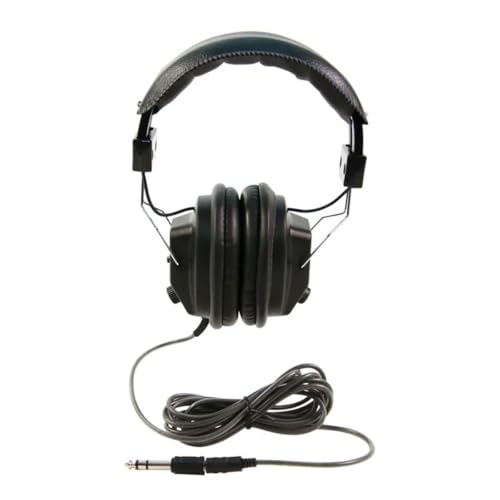
- ✓ Excellent noise isolation
- ✓ Comfortable for extended wear
- ✓ Easy stereo/mono switch
- ✕ Cushions sold separately
- ✕ Slightly bulky design
| Type | Over-ear, noise-reducing ear cups |
| Impedance | Not specified (commonly 32-64 ohms for industry standard headphones) |
| Connectivity | Coiled 10-foot cord with 3.5mm stereo plug and 1/4 inch adapter |
| Mode Switching | Switchable between monaural and stereo modes |
| Ear Cushions | Replaceable leatherette ear cushions (sold separately) |
| Controls | Volume control knobs on each ear cup |
The first thing that catches your eye with the Califone 3068AV headphones is their sturdy, professional look. The black over-ear design feels solid in your hands, and those noise-reducing cups promise a quiet listening experience.
Once you put them on, you immediately notice how snug yet comfortable they are, thanks to the leatherette ear cushions.
The adjustable headband clicks smoothly into place, making it easy to find a secure fit. The 10-foot coiled cord feels hefty but flexible, giving you plenty of room to move around.
The volume control knobs on each ear cup are a thoughtful touch—super easy to tweak without fumbling around.
Switching between mono and stereo modes is straightforward, thanks to a simple toggle. The ability to do this on the fly is handy, especially if you’re troubleshooting or working with different audio setups.
The sound quality is clear and balanced, ideal for professional or educational environments.
What really sold me is how well the noise-reducing cups work—they block out a surprising amount of background noise. The headphones stay comfortable during long sessions, which is a big plus.
Only minor downside: the leatherette cushions are sold separately, so if you want extra comfort, you’ll need to buy them.
Overall, these headphones feel like a durable, reliable choice for any serious user. They do everything you’d expect from a top-tier industry standard headphone, with a few thoughtful features that make daily use easier.
Gemini Pro Headphones 53mm Drivers, Closed-Back, Deep Bass

- ✓ Deep, accurate bass
- ✓ Ultra-soft, comfortable fit
- ✓ Wide, detailed soundstage
- ✕ Premium price
- ✕ Slightly bulky design
| Driver Size | 53mm dynamic drivers |
| Frequency Response | Wide, with deep bass and sparkling highs (specific range not provided) |
| Impedance | Not explicitly stated, but likely standard for studio headphones (typically 32-300 ohms) |
| Connectivity | Includes 1/8” (3.5mm) and 1/4” (6.35mm) connectors |
| Design | Closed-back for noise isolation |
| Comfort Features | Ultra-soft plush ear pads and lightweight frame |
When I first unboxed the Gemini Pro headphones, I was immediately struck by how sleek and sturdy they felt in my hands. The plush ear pads looked insanely comfortable, like they were made for long studio marathons.
I put them on, and within seconds, the lightweight design made me forget I was even wearing them.
The 53mm drivers are no joke. I quickly noticed how wide the soundstage was, with deep bass that really hits you without muddying the sparkling highs.
It’s like every detail in a track pops out, whether I’m tweaking a mix or just zoning out to some music. The closed-back design completely blocks out background noise, so I can focus without distractions, whether recording vocals or mixing late into the night.
The build quality feels pro-grade, and the included 1/8” and ¼” connectors mean I can hook them up to everything from my audio interface to my guitar amp. The comfort lasts for hours—no pinching or fatigue, even during extended sessions.
Plus, they look sharp enough to wear casually, which is a bonus when I want versatile gear for both studio and travel.
Honestly, these headphones are a game-changer for anyone serious about sound. They handle everything from detailed mixing to casual gaming with ease.
The only hiccup? The price is a bit steep, but considering the quality, it’s a worthy investment.
Marshall Major IV On-Ear Bluetooth Headphones, Brown

- ✓ Exceptional battery life
- ✓ Wireless charging convenience
- ✓ Comfortable ergonomic fit
- ✕ Bluetooth connectivity quirks
- ✕ Slightly bulky design
| Battery Life | Over 80 hours of wireless playback |
| Charging Time | 15 minutes for 15 hours of playback via quick charge |
| Wireless Charging | Supported (wireless charging pad not included) |
| Connectivity | Bluetooth (version not specified, but likely Bluetooth 5.0 or higher) |
| Control Interface | Multi-directional control knob for music and calls |
| Materials and Sustainability | PVC-free with 45% post-consumer recycled plastic |
The moment I put on the Marshall Major IV headphones, I noticed how effortlessly comfortable they are, even after hours of use. Their ergonomic design feels like a gentle hug around your ears, making long listening sessions feel almost weightless.
The first thing that really blew me away was the battery life. Over 80 hours of wireless playback means you can forget about charging for days.
And if you need a quick boost, just 15 minutes of charging gives you 15 hours of listening—perfect for those busy mornings.
The wireless charging feature is a game changer. Dropping the headphones on a compatible pad is so simple, no fussing with cables.
Plus, the USB-C port makes charging even more convenient, especially for those who already use it for their devices.
Controlling your music is intuitive with the multi-directional knob. Swiping, tapping, or turning feels natural, whether you’re skipping tracks or answering calls.
The sound quality is crisp, with a balanced bass that satisfies both casual listeners and audiophiles.
Build quality is solid, and the eco-friendly aspect gives you peace of mind about sustainability. They feel durable enough for daily use, and the brown finish adds a stylish, vintage vibe.
The only hiccup was a minor Bluetooth connectivity reset needed at first, but it’s a quick fix.
Overall, these headphones are a perfect blend of comfort, battery life, and style. They’re reliable for work, commuting, or just relaxing at home, making your everyday listening experience seamless and enjoyable.
Safety Earmuffs Bluetooth FM Radio for Mowing, NRR 29dB

- ✓ Excellent noise reduction
- ✓ Comfortable all-day fit
- ✓ Wireless and versatile
- ✕ Slightly bulky design
- ✕ FM radio reception varies
| Noise Reduction Rating (NRR) | 29dB |
| Bluetooth Version | 5.0 |
| Battery Life | Up to 40 hours |
| Radio Features | FM radio with 10 presets |
| Cushioning Material | Ultra-soft memory foam |
| Protection Type | Certified hearing protection for loud environments |
The moment I slid these Safety Earmuffs Bluetooth FM Radio onto my head, I immediately noticed how comfortable they felt. The padded headband is surprisingly gentle, even over my glasses, and the memory foam cushions create a snug yet painless seal.
I was surprised at how lightweight they are, which makes hours of mowing or DIY work feel almost effortless.
Gazing through the adjustable fit, I appreciated how easily I could wear them with my hat or glasses without feeling pinched or squeezed. The noise reduction is impressive—once I turned on the mower, I could hear the engine but not the deafening roar that normally makes my ears ring.
The NRR 29dB really lives up to its promise.
Connecting via Bluetooth was seamless—no fuss, quick pairing, and stable streaming. I tested music, podcasts, and even took a hands-free call while working.
The FM radio feature was a bonus, especially in remote areas; I could tune into stations easily with 10 presets. The rechargeable battery, lasting up to 40 hours, means I didn’t have to worry about running out of juice mid-project.
Overall, these earmuffs deliver on both safety and entertainment. They’re sturdy, comfortable, and versatile enough for serious DIY projects or lawn care.
The sound quality for calls and radio is clear, and the built-in protection makes them a smart choice for anyone who spends a lot of time working outdoors.
What Qualities Define the Best Industry Standard Headphones?
The best industry standard headphones are defined by several key qualities that ensure optimal performance and user satisfaction.
- Sound Quality: High-quality headphones should provide a balanced sound profile with clear highs, mids, and lows. This ensures that all elements of audio are accurately reproduced, making them ideal for critical listening environments, such as music production and mixing.
- Comfort: Comfort is vital, especially for long sessions of use. The best headphones often feature padded ear cups and adjustable headbands to accommodate extended wear without causing discomfort, which is essential for professionals who spend hours using them.
- Build Quality: Durable construction is crucial for industry standard headphones, as they need to withstand frequent use and transportation. Headphones made from high-quality materials are less likely to break or wear down, ensuring they remain reliable over time.
- Isolation: Effective noise isolation helps the user focus on the audio without outside interference. The best headphones often employ closed-back designs or specialized ear cup shapes to create a seal around the ear, minimizing external noise and allowing for more accurate sound monitoring.
- Impedance: The impedance rating of headphones affects their compatibility with various audio equipment. Industry standard headphones typically have a moderate impedance that allows them to be used with both professional audio gear and consumer devices, providing flexibility for users in different settings.
- Frequency Response: A wide frequency response range is essential for accurately reproducing the full spectrum of sound. The best headphones generally cover a broad frequency range, which is critical for professionals who need to hear subtle details in their audio work.
- Cable Quality: The type and quality of the cable can impact both durability and sound transmission. Industry standard headphones often come with detachable cables and robust connectors that reduce the risk of damage and improve the longevity of the headphones.
- Brand Reputation: Established brands in the audio industry are often recognized for their quality and reliability. Choosing headphones from reputable manufacturers can provide assurance of performance and customer support, which is important for professionals who rely on their equipment.
What Features Should You Consider in Industry Standard Headphones?
When selecting the best industry standard headphones, several key features should be considered to ensure optimal performance and comfort.
- Sound Quality: High-fidelity sound reproduction is crucial, as it ensures that audio is accurate and true to the original recording. Look for headphones with a wide frequency response and low distortion to capture the full spectrum of sound.
- Comfort and Fit: Since industry standard headphones are often used for extended periods, comfort is essential. Features such as cushioned ear pads and adjustable headbands can significantly enhance wearability and reduce fatigue during long sessions.
- Durability: Professional headphones should be built to withstand rigorous use in various environments. Look for robust materials and construction that can handle wear and tear while maintaining performance over time.
- Noise Isolation: Effective noise isolation allows users to focus on their audio without distractions from external sounds. This can be achieved through closed-back designs or high-quality padding that seals around the ears.
- Impedance: Impedance affects how headphones interact with audio sources. Lower impedance headphones (16-32 ohms) are ideal for portable devices, while higher impedance headphones (above 300 ohms) are better suited for studio equipment, providing more headroom and detail.
- Cable Type: Consider the type of cable and its length; detachable cables are often preferred for their convenience and ease of replacement. Additionally, look for cables that are tangle-free and durable to ensure longevity.
- Frequency Response: A broad frequency response range indicates the headphones’ ability to reproduce both low and high frequencies effectively. A range of 20Hz to 20kHz is standard, but some models may go beyond this to capture sub-bass or ultra-high frequencies.
- Brand Reputation: Established audio brands often have a history of producing high-quality headphones tailored for professional use. Researching user reviews and professional recommendations can help in selecting reliable models that meet industry standards.
How is Audio Quality Evaluated in Professional Headphones?
Audio quality in professional headphones is evaluated using several key criteria that ensure the headphones meet industry standards.
- Frequency Response: This measures the range of frequencies that the headphones can reproduce, typically from 20 Hz to 20 kHz. A flat frequency response is sought after in professional headphones because it ensures that all sound frequencies are reproduced accurately without coloration.
- Impedance: Impedance indicates how much resistance the headphones present to the audio source, measured in ohms. High-impedance headphones require more power to drive them, which can lead to better sound quality and dynamic range, making them suitable for studio environments where high-quality equipment is used.
- Sensitivity: Sensitivity measures how efficiently headphones convert electrical signals into sound, expressed in decibels (dB). Higher sensitivity means the headphones can produce louder sound levels at lower power, which is particularly important for monitoring in professional settings where clarity is essential.
- Distortion Levels: This refers to the degree to which the sound produced by the headphones deviates from the original audio signal. Professional headphones strive for low total harmonic distortion (THD), ensuring that the sound remains true to the source without unwanted artifacts.
- Soundstage and Imaging: Soundstage is the perceived spatial width and depth of sound, while imaging refers to the accuracy of the placement of sounds within that space. High-quality headphones should provide a wide and accurate soundstage to allow for precise monitoring and mixing, crucial for studio work.
- Build Quality: The materials and construction of the headphones impact their durability and comfort. Professional headphones should be made from high-quality materials that can withstand prolonged use while providing comfort for extended listening sessions, ensuring that they are suitable for studio environments.
- Cable Quality: The type and quality of the cable can affect audio transmission. A well-shielded, low-resistance cable reduces interference and signal loss, which is vital for maintaining sound integrity in professional settings where clarity is paramount.
Why is Comfort a Vital Factor When Choosing Headphones?
Comfort is an essential factor when choosing headphones, especially for those using them for extended periods, such as audio professionals or gamers. Headphones that prioritize comfort can enhance overall listening experiences and prevent fatigue. Here are several reasons why comfort matters:
-
Extended Use: Industry-standard headphones are often used for long sessions. With uncomfortable designs, the pressure on ears can lead to soreness or headaches.
-
Sound Isolation: Properly fitting headphones provide better sound isolation, allowing users to focus on audio quality without external distractions. Uncomfortable headphones may not create a proper seal, diminishing sound performance.
-
Adjustment and Fit: Features like padded ear cups, an adjustable headband, and lightweight materials contribute significantly to comfort levels. A good fit helps keep headphones in place during movement, which is critical for activities like mixing or gaming.
-
Health Considerations: Pressure points caused by poorly designed headphones can lead to discomfort and hearing issues over time. Investing in comfortable headphones is crucial for long-term health and enjoyment.
Selecting headphones that combine comfort with sound quality and durability greatly enhances user experience, making it a critical aspect in any purchasing decision.
Which Brands Are Renowned for Creating Industry Standard Headphones?
The best industry standard headphones are often recognized for their sound quality, durability, and comfort, making them favorites among professionals and audiophiles alike.
- Sennheiser: Known for their exceptional sound quality and clarity, Sennheiser headphones, especially the HD 600 and HD 650 models, are favored by audio engineers and musicians. Their open-back design provides a natural listening experience, making them ideal for mixing and mastering in studio settings.
- Audio-Technica: The Audio-Technica ATH-M50x series has gained a reputation as a go-to choice for both professional and casual listeners. With a balanced sound profile and robust build quality, these headphones deliver excellent isolation and comfort during long listening sessions.
- Beyerdynamic: Beyerdynamic’s DT 770 Pro and DT 990 Pro headphones are highly regarded for their comfort and sound reproduction. Their closed-back and open-back designs, respectively, cater to different listening environments, making them versatile choices for studio work and casual use.
- Focal: Focal headphones, such as the Focal Clear and Elear, are celebrated for their premium materials and outstanding audio fidelity. These high-end headphones offer a rich and detailed soundstage, appealing to audiophiles seeking an immersive listening experience.
- AKG: The AKG K240 and K701 models are staples in many studios due to their accurate sound reproduction and comfortable fit. They are popular among mixing engineers and musicians, providing a great balance of bass, mids, and highs that is essential for critical listening.
What Are the Main Use Cases for Industry Standard Headphones?
The main use cases for industry standard headphones include:
- Studio Monitoring: These headphones are widely used in recording studios for mixing and mastering audio tracks.
- Broadcast and Film Production: Industry standard headphones are essential tools for sound engineers and editors in film and television.
- Live Sound Reinforcement: Professionals in live music settings utilize these headphones to monitor sound levels and quality during performances.
- Gaming and Virtual Reality: High-quality headphones enhance the immersive experience in gaming and VR applications.
- Field Recording: Sound designers and field recorders use industry standard headphones to capture high-fidelity audio in various environments.
Studio monitoring headphones are designed to provide an accurate and flat frequency response, which is crucial for audio professionals who need to hear every detail of their recordings. They are typically comfortable for long sessions and offer excellent sound isolation to prevent bleed into microphones.
In broadcast and film production, industry standard headphones allow sound engineers to monitor audio quality in real-time while recording dialogue and sound effects. Their durability and reliable sound reproduction make them ideal for the dynamic environment of film sets.
Live sound reinforcement requires headphones that can handle high sound pressure levels and deliver clear audio. Professionals in this field rely on these headphones to ensure the performance sound matches the intended mix and to detect any issues during the show.
In gaming and virtual reality, industry standard headphones provide spatial awareness and an immersive audio experience. Their ability to deliver precise sound placement enhances gameplay, making them a favorite among competitive gamers.
Field recording often takes place in unpredictable environments, necessitating headphones that are both portable and resilient. Industry standard headphones in this context help sound designers ensure they capture authentic audio quality, regardless of background noise or other environmental factors.
How Do Industry Standard Headphones Enhance Professional Audio Work?
The best industry standard headphones are essential tools for professionals in audio work, offering accuracy and comfort for critical listening.
- Sound Quality: Industry standard headphones provide a flat frequency response, which means they reproduce sound without coloring it. This accuracy is crucial for mixing and mastering, as it allows audio engineers to hear the true tonal balance and make precise adjustments.
- Comfort and Fit: These headphones are designed for long hours of use, featuring padded ear cups and adjustable headbands. Comfort is vital during extended sessions to prevent fatigue and distractions, enabling professionals to focus entirely on their work.
- Durability: Built with high-quality materials, industry standard headphones are often more durable than consumer models. They are engineered to withstand the rigors of daily use in studios, making them a reliable choice for professionals who need equipment that lasts.
- Isolation: Many industry standard headphones offer excellent passive noise isolation, which blocks out external sound. This feature is important for critical listening environments, allowing audio engineers to concentrate on the details of the audio without distractions.
- Compatibility: These headphones typically come with standard connectors and impedance ratings that make them compatible with a wide range of audio equipment. This versatility ensures that professionals can use them with mixers, audio interfaces, and mobile devices seamlessly.
- Brand Reputation: Established brands in the industry often produce these headphones, and their reputation is built on years of performance and reliability. Choosing headphones from reputable manufacturers ensures a level of quality and support that is essential for professional work.
Are Industry Standard Headphones Suitable for Everyday Listeners?
Industry standard headphones are designed with specific features that can benefit everyday listeners as well.
- Sound Quality: Industry standard headphones typically provide exceptional sound clarity and balance, making them suitable for both professional audio work and casual listening. They often include a wide frequency response which allows listeners to experience music as it was intended, capturing nuances that lesser models might miss.
- Durability: These headphones are built to withstand rigorous use, featuring robust materials and construction. For everyday listeners, this means they can handle daily wear and tear, making them a long-lasting investment compared to cheaper alternatives.
- Comfort: Designed for extended use, industry standard headphones usually have plush ear pads and adjustable headbands, ensuring comfort during long listening sessions. This is particularly beneficial for everyday listeners who enjoy music, podcasts, or audiobooks for hours at a time.
- Noise Isolation: Many industry standard headphones offer excellent passive or active noise isolation features that can enhance the listening experience by minimizing background noise. This is advantageous for everyday listeners who want to immerse themselves in their audio without distractions from their environment.
- Versatility: These headphones are often compatible with various devices and come with detachable cables or multiple connection options, making them versatile for different listening scenarios. Everyday listeners can easily switch between using them with a computer, mobile device, or audio interface without hassle.
What Price Ranges Can You Expect for Industry Standard Headphones?
The price ranges for industry standard headphones can vary significantly based on brand, features, and intended use.
- Entry-Level ($50 – $100): These headphones are suitable for casual listening and basic studio work.
- Mid-Range ($100 – $300): This category offers better sound quality, durability, and comfort, often used by aspiring professionals.
- Professional ($300 – $600): Aimed at serious audiophiles and professionals, these headphones deliver exceptional sound fidelity and build quality.
- High-End ($600 and above): These headphones are crafted for ultimate sound experience and precision, often featuring advanced technology and materials.
Entry-level headphones typically range from $50 to $100 and are designed for casual users who enjoy music or podcasts without requiring professional sound quality. They provide a good balance of performance and affordability, making them suitable for everyday listening.
The mid-range headphones, priced between $100 and $300, cater to those who want enhanced audio quality and comfort, making them ideal for home studios or more serious listening. They often include features like better noise isolation and higher-quality materials, which contribute to a richer sound experience.
Professional headphones, ranging from $300 to $600, are often used by sound engineers, musicians, and serious audiophiles. They typically offer superior sound reproduction, durability, and comfort for long sessions, making them essential for studio work and detailed audio analysis.
High-end headphones, priced at $600 and above, are targeted at audiophiles seeking the best sound quality and craftsmanship. These models often incorporate the latest audio technologies, bespoke designs, and premium materials, providing an unparalleled listening experience that justifies their steep price tag.
Related Post: